
Introduction
The rapid expansion of global aquaculture has created increasing demand for high-quality aquatic feed. As fish farming becomes more intensive and professional, feed efficiency has become one of the most important factors influencing production costs, fish growth performance, and environmental sustainability. Modern aquaculture operations require feed products that provide balanced nutrition, excellent digestibility, stable physical properties, and consistent quality.
Unlike traditional feed production, modern aquatic feed manufacturing relies on advanced technology, automated systems, scientific formulation, and optimized processing methods. These improvements allow manufacturers to produce floating fish feed, sinking fish feed, shrimp feed, and other aquatic feeds with higher efficiency and better performance.
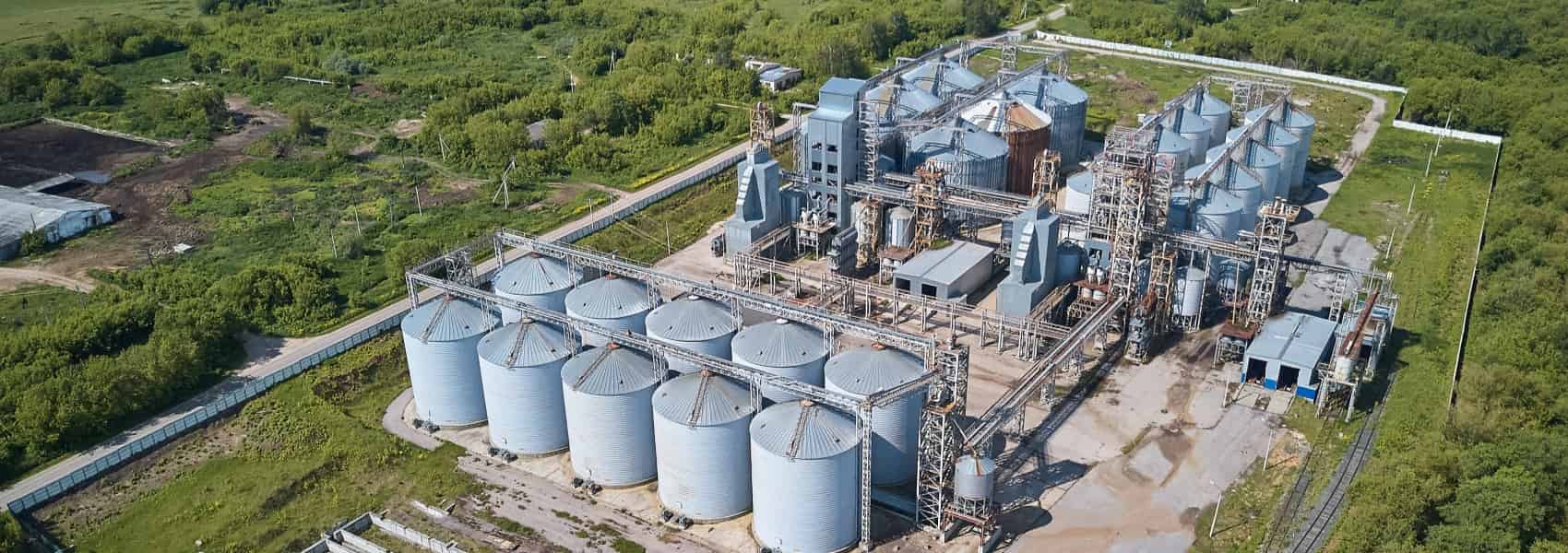
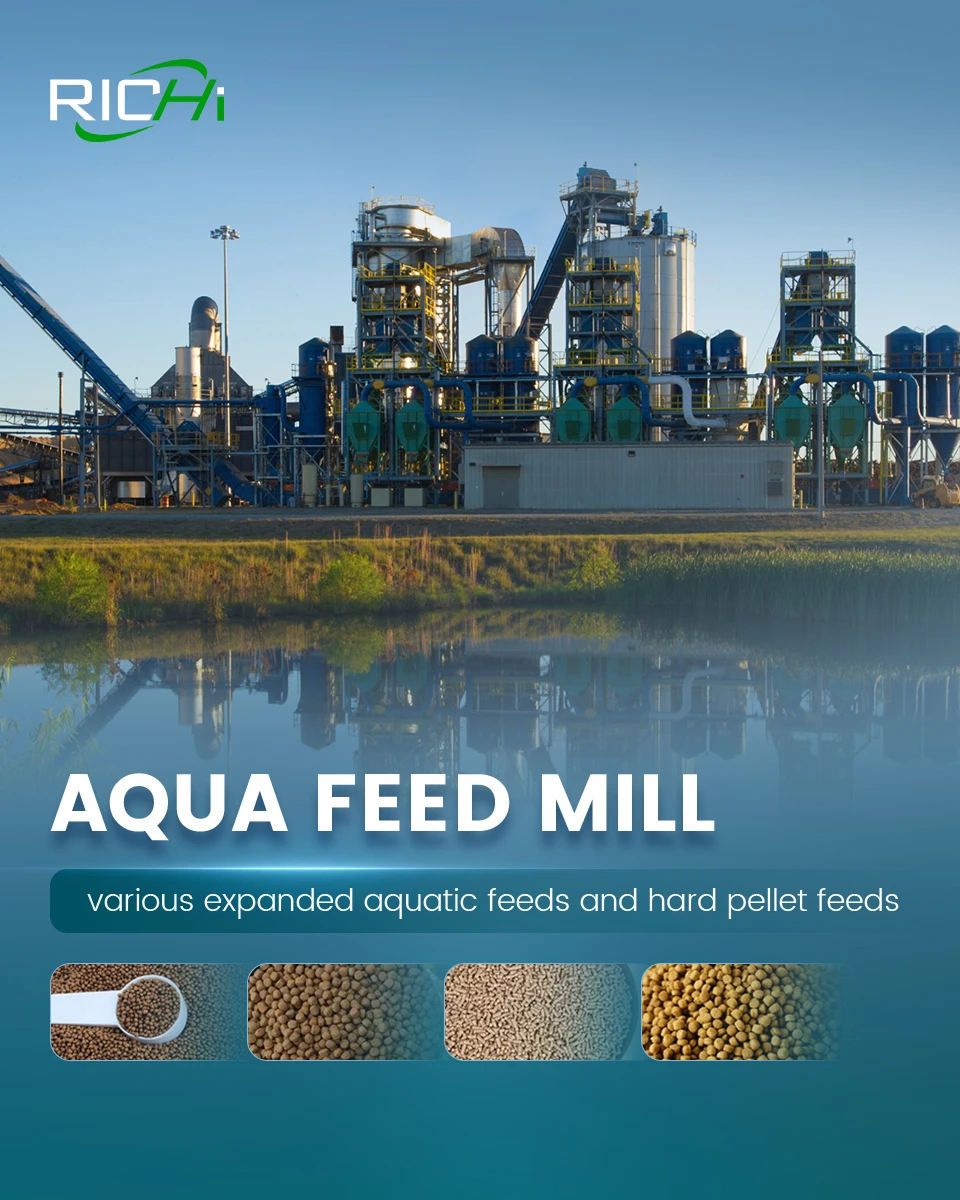
A modern aquatic feed processing plant integrates multiple production stages, including raw material handling, grinding, mixing, extrusion, drying, coating, cooling, packaging, and quality control. Through intelligent equipment and precise management, these plants can achieve higher production capacity, lower operating costs, improved product consistency, and reduced resource waste.
This article explores the key factors that make modern aquatic feed production efficient and explains how advanced technologies contribute to the development of the aquaculture industry.
1. Scientific Feed Formulation Improves Production Efficiency
One of the most important factors behind efficient aquatic feed production is scientific feed formulation. Different aquatic species have different nutritional requirements, meaning that feed formulas must be carefully designed according to specific farming conditions.
Modern feed manufacturers use nutritional analysis and formulation software to develop balanced recipes containing:
- Protein sources
- Energy ingredients
- Lipids
- Vitamins
- Minerals
- Functional additives
A precise formula ensures that fish receive the nutrients needed for:
- Rapid growth
- Strong immunity
- Efficient metabolism
- Better feed conversion
Traditional feed production often relies on general formulas, which may result in nutrient imbalance and higher feed costs. Modern aquatic feed production focuses on precision nutrition, allowing manufacturers to create feeds specifically designed for:
- Tilapia
- Carp
- Catfish
- Salmon
- Trout
- Shrimp
- Other aquatic species
By optimizing formulas, feed producers can improve biological performance while reducing unnecessary nutrient waste.
2. High-Quality Raw Material Management Ensures Stable Feed Performance
The quality of raw materials directly affects the quality of finished aquatic feed. Modern feed production facilities place strong emphasis on ingredient selection, inspection, and storage management.
Common aquatic feed ingredients include:
- Fish meal
- Soybean meal
- Corn
- Wheat flour
- Rice bran
- Fish oil
- Vegetable oils
- Mineral and vitamin premixes
Efficient raw material management includes:
Strict Ingredient Inspection
Raw materials are tested for:
- Nutritional composition
- Moisture content
- Contamination
- Storage quality
This prevents poor-quality ingredients from entering production.
Proper Storage Systems
Modern factories use:
- Storage silos
- Temperature control systems
- Moisture management equipment
These systems protect ingredients from:
- Mold growth
- Nutrient loss
- Spoilage
A well-organized aquatic feed processing plant ensures that high-quality raw materials are available throughout the production process, improving both efficiency and product reliability.
https://richipelletizer.com/aqua-feed-plant
3. Advanced Grinding Technology Improves Processing Performance
Grinding is an essential step in aquatic feed manufacturing because particle size influences mixing quality, digestion, and pellet formation.
Modern grinding systems improve efficiency by providing:
- High processing capacity
- Adjustable particle size
- Lower energy consumption
Hammer mills and pulverizers are commonly used to reduce raw materials into suitable sizes.
Proper grinding helps achieve:
Better Nutrient Utilization
Smaller particles are easier for aquatic animals to digest.
Improved Mixing Uniformity
Fine particles allow ingredients to distribute more evenly.
Better Extrusion Performance
Consistent particle size improves pellet quality during extrusion.
Advanced grinding technology ensures that raw materials are prepared effectively before entering the next production stage.
4. Automated Mixing Creates Consistent Feed Quality
Uniform mixing is critical for producing high-quality aquatic feed. Each pellet should contain the same nutritional composition to ensure consistent feeding results.
Modern mixing systems improve efficiency through:
- Automatic ingredient weighing
- High-speed mixing
- Precise control systems
Advanced mixers can accurately combine:
- Protein ingredients
- Energy sources
- Oils
- Additives
- Minerals
Benefits of efficient mixing include:
- Stable nutrient distribution
- Improved feed performance
- Reduced production errors
Automation eliminates many problems caused by manual operation and ensures that every batch meets quality requirements.
5. Extrusion Technology Enhances Aquatic Feed Production
Extrusion technology is one of the most important innovations in modern aquatic feed manufacturing. It allows producers to create feed pellets with specific characteristics required by different aquatic animals.
During extrusion, feed materials are processed under controlled conditions involving:
- Temperature
- Pressure
- Moisture
- Mechanical shear
The extrusion process improves:
Digestibility
Heat treatment breaks down raw materials and improves nutrient availability.
Water Stability
Extruded pellets maintain their structure after entering water, reducing nutrient loss.
Floating and Sinking Characteristics
Manufacturers can adjust density to produce:
- Floating fish feed
- Slow-sinking feed
- Sinking feed
Feed Safety
High temperatures help reduce harmful microorganisms.
A modern aquatic feed processing plant uses advanced extruders to achieve stable production and high-quality aquatic feed products.
(Related machine: efficient floating fish feed extruder machine)
6. Efficient Drying Technology Improves Product Stability
After extrusion, aquatic feed pellets contain moisture and require proper drying before storage.
Efficient drying technology is essential because moisture affects:
- Feed shelf life
- Storage safety
- Pellet durability
Modern dryers use controlled airflow and temperature systems to achieve:
- Uniform moisture reduction
- Energy efficiency
- Continuous operation
Proper drying prevents:
- Mold development
- Nutrient degradation
- Product quality decline
Advanced drying systems help manufacturers produce feed that remains stable during transportation and storage.
7. Automatic Coating Technology Enhances Nutritional Value
Oil coating is an important process in aquatic feed production, especially for feeds requiring higher energy levels.
After drying, manufacturers can add:
- Fish oil
- Vegetable oil
- Vitamins
- Functional additives
Automatic coating systems improve efficiency by ensuring:
- Even oil distribution
- Accurate dosage
- Reduced material waste
This process improves:
- Feed palatability
- Energy density
- Nutritional performance
Precise coating technology allows manufacturers to create higher-value feed products for different aquaculture markets.
8. Intelligent Automation Improves Overall Production Efficiency
Automation is one of the defining features of modern aquatic feed manufacturing.
A fully automated production system can control:
- Raw material feeding
- Ingredient weighing
- Mixing
- Extrusion parameters
- Drying conditions
- Packaging
Modern control systems such as PLC technology provide:
Higher Production Accuracy
Automated systems reduce human errors and improve formula precision.
Stable Product Quality
Production parameters remain consistent throughout operation.
Lower Labor Costs
Automation reduces dependence on manual workers.
Real-Time Monitoring
Operators can monitor production performance and identify problems quickly.
By integrating automation, feed manufacturers can achieve higher productivity and more reliable operations.
9. Efficient Equipment Layout Reduces Production Costs
The design of a production facility also affects efficiency.
A well-planned aquatic feed factory should consider:
- Material flow
- Equipment arrangement
- Transportation distance
- Maintenance access
An optimized equipment layout provides:
Reduced Material Movement
Shorter transportation paths reduce energy consumption.
Faster Production Flow
A logical process sequence improves efficiency.
Easier Maintenance
Proper spacing allows easier inspection and repair.
Professional engineering design helps maximize the performance of the entire production system.
10. Advanced Quality Control Ensures Reliable Feed Production
Efficient production is not only about speed and capacity. Maintaining consistent quality is equally important.
Modern feed manufacturers use quality control systems throughout the production process.
Important quality checks include:
Raw Material Testing
Ensures ingredients meet nutritional and safety standards.
Production Monitoring
Controls:
- Temperature
- Moisture
- Processing conditions
- Pellet size
Finished Product Analysis
Tests include:
- Nutrient content
- Pellet durability
- Water stability
- Floating performance
Strict quality control helps manufacturers produce reliable feed and build long-term customer relationships.
11. Energy-Saving Technologies Improve Sustainability
Efficiency in modern aquatic feed production also means reducing environmental impact.
Energy-saving technologies include:
- High-efficiency motors
- Optimized production processes
- Automated control systems
- Improved equipment design
Benefits include:
- Lower electricity consumption
- Reduced operating costs
- Smaller environmental footprint
Sustainable production methods help feed manufacturers remain competitive while supporting environmentally responsible aquaculture development.
12. Flexible Production Capability Meets Market Demand
Modern aquaculture markets require different types of feed products. Efficient feed production systems must be flexible enough to handle various formulas and pellet types.
A modern production facility can produce:
Floating Fish Feed
Suitable for fish feeding near the water surface and easier feeding management.
Sinking Fish Feed
Suitable for bottom-feeding aquatic species.
Shrimp Feed
Designed for excellent water stability and nutritional performance.
Specialized Aquatic Feed
Customized for specific species and farming systems.
Flexible production allows manufacturers to respond quickly to market changes and customer requirements.
13. Skilled Management and Technical Support Improve Efficiency
Even advanced equipment requires professional management.
Efficient aquatic feed production depends on:
- Skilled operators
- Proper maintenance
- Production monitoring
- Technical support
Well-trained teams can:
- Adjust equipment parameters
- Solve production problems
- Improve production performance
Continuous improvement and professional management help factories maintain long-term efficiency.
14. Future Trends in Efficient Aquatic Feed Production
The future of aquatic feed manufacturing will continue moving toward smarter and more sustainable production.
Key trends include:
Artificial Intelligence and Digital Management
Data analysis will improve production optimization.
Sustainable Ingredients
Alternative protein sources will reduce dependence on traditional resources.
Precision Nutrition
Customized formulas will improve feed efficiency.
Fully Automated Factories
Smart production systems will further reduce labor requirements and improve consistency.
These developments will make aquatic feed production more efficient, sustainable, and competitive.
Conclusion
Modern aquatic feed production efficiency is achieved through the combination of scientific formulation, advanced processing technology, automation, quality control, and sustainable management. Every stage, from raw material preparation to final packaging, plays an important role in determining production performance.
A professional aquatic feed processing plant uses advanced equipment and intelligent systems to produce high-quality aquatic feed with excellent nutritional value, water stability, and feeding efficiency. Through optimized production processes, manufacturers can reduce costs, improve product quality, and meet the growing demand of global aquaculture.
As the aquaculture industry continues to expand, efficient aquatic feed production will become increasingly important. Companies that invest in modern technology and innovative manufacturing solutions will be better positioned to support sustainable fish farming and achieve long-term business growth.
(view our website: RICHI Machinery Manufacture)