



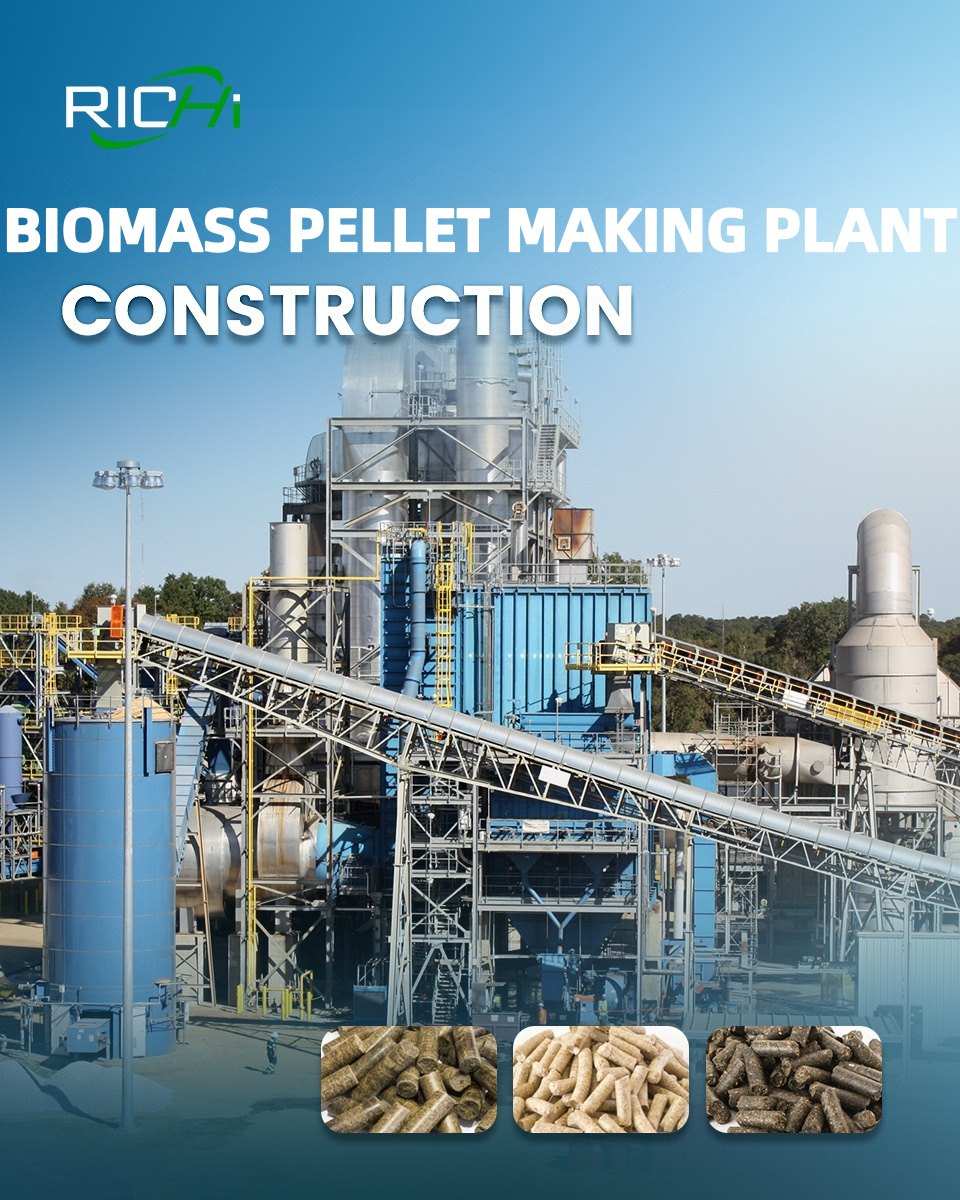
The global shift toward renewable energy has positioned biomass pellets as a clean, sustainable alternative to fossil fuels. These pellets are manufactured from agricultural and forestry waste including wood chips, sawdust, rice husks, crop straw, and other organic residues. Modern production systems, featuring advanced biomass pellet machine technology, enable efficient operations that meet growing market demand while reducing carbon emissions and solving waste disposal problems.
Understanding Biomass Pellets
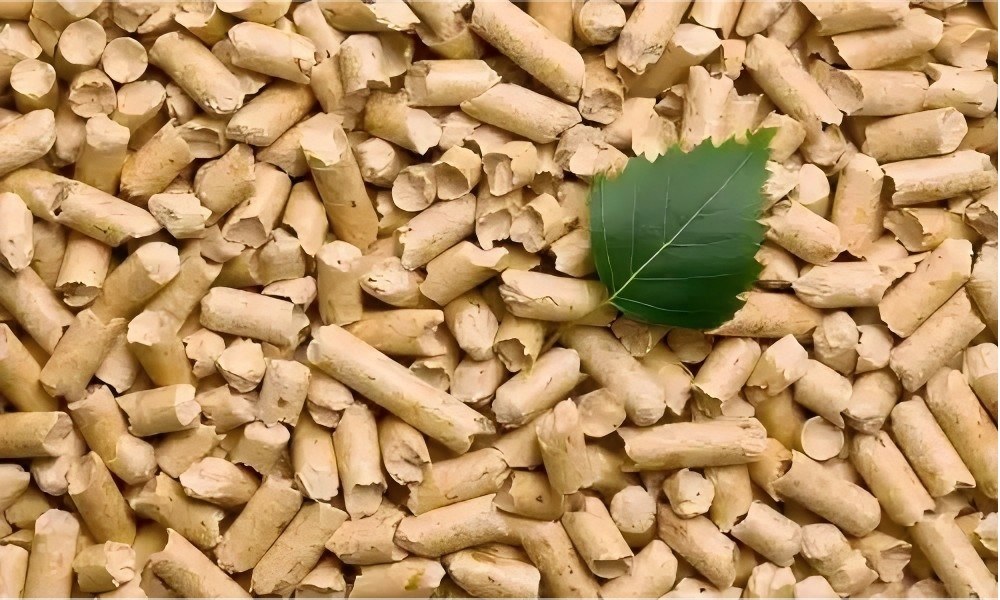
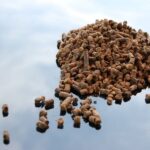
Biomass pellets are solid fuel products typically 6 to 8 millimeters in diameter with a length of no more than 38 millimeters. They are produced by compressing ground biomass under high pressure and forcing it through a round opening called a die in a process known as extrusion. During this process, the natural lignin present in wood and certain plant materials acts as a glue, binding particles together without requiring chemical additives. This biological binding property makes wood an especially suitable feedstock for pellet production.
However, many agricultural residues like straw and grasses lack sufficient natural binding properties. Such materials may require additives or binders to achieve acceptable pellet quality, or they may need to be mixed with a fraction of sawdust to improve structural integrity.
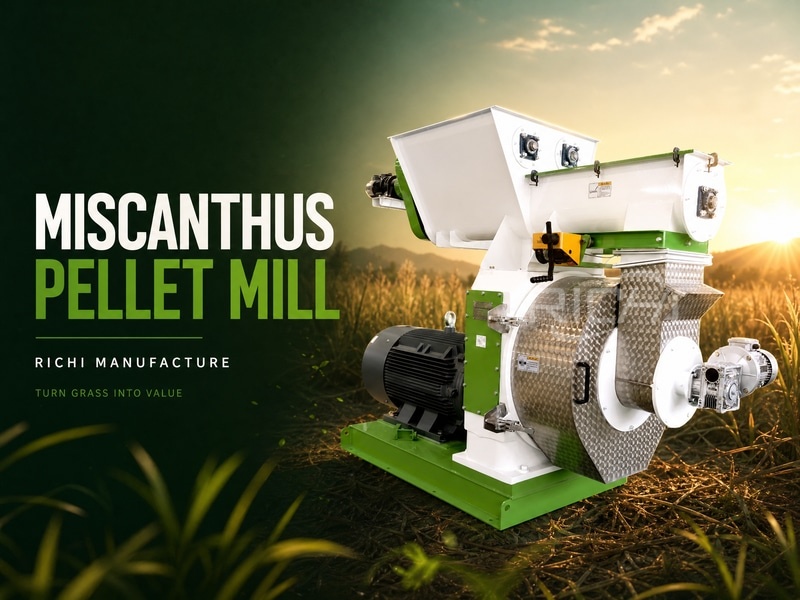
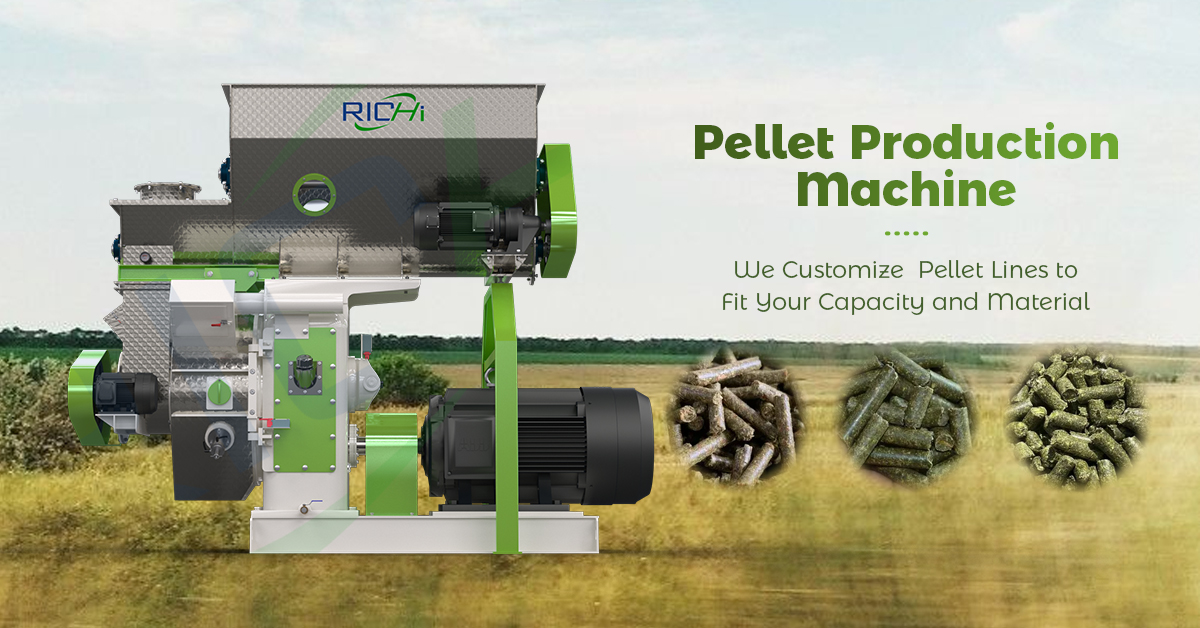
The biomass pellet machine at the heart of production is typically a ring die pellet mill. The ring die design represents the most efficient technology for commercial production, featuring a cylindrical die with multiple holes that rotates around fixed pressure rollers. Material is fed into the die chamber and compressed through the holes, forming dense, uniform pellets. Modern ring die pellet mills incorporate high-strength alloy steel components with vacuum quenching heat treatment to achieve extended service life and reliable operation.
For detailed equipment specifications and project configurations, you can blog here for comprehensive resources from leading manufacturers.
Production Process and Key Parameters
Manufacturing high-quality biomass pellets involves a carefully controlled multi-stage process beyond just the pellet mill. Each step must be carried out with care to ensure acceptable final product quality.
Feedstock Preparation
The production journey begins with biomass grinding. Standard pellet mills generally require particles no larger than 3 millimeters. Woody biomass is first processed through a chipper, then a hammer mill, while softer agricultural materials like straw can be fed directly into the hammer mill. Proper particle size consistency is critical for preventing equipment blockages and ensuring uniform pellet formation.
Moisture Control
Maintaining appropriate moisture content is vital for pellet quality. For wood feedstocks, the optimal moisture level is approximately 15%. Other biomass types may have different requirements, potentially needing experimentation to determine ideal conditions. If feedstock is too wet, drying via hot air is required; if too dry, steam or water can be added to achieve optimal processing conditions.
Pelletizing
This is the core stage where biomass pellets take shape. The prepared biomass is fed into the pellet making machine, where rollers compress it against a heated ring die under high temperature and pressure. With proper conditions, biomass particles fuse into a solid mass. Pellets emerge from the die at approximately 150°C and require cooling before handling. Freshly formed pellets must be cooled to ambient temperature to harden and strengthen, with final moisture content ideally below 8% to ensure storage stability.
Cooling and Screening
Pellets leaving the die are hot and somewhat soft. Cooling is typically achieved by blowing air through them in a metal bin, which also reduces final moisture content. Vibrating screens then separate finished pellets from fines and broken pellets, with rejected material typically returned to the production process.
Production Challenges and Solutions
Two main problems can occur during pelletizing: washthrough and clogging. Washthrough happens when pellets do not form and granular feedstock simply pours through die holes unchanged due to insufficient back pressure. This can be addressed by adjusting pelletizer speed, changing die dimensions, or modifying feedstock moisture content. Clogging occurs when back pressure is too high, preventing material from passing through the die. This may be resolved by modifying moisture content, die dimensions, adjusting roller tightness, or adding oil to feedstock.
The pellet making machine available through experienced manufacturers comes in a range of capacities to suit different production scales. Models like the MZLH420 produce 1.0-1.2 tons per hour from wood sawdust or 1.5-2.0 tons per hour from straw, while larger units like the MZLH858 can produce 8-10 tons per hour from agricultural residues. The MZLH series features large-modulus hard-tooth surface helical gear reducers, strengthened main shafts, and special alloy ring dies and rollers that are wear-resistant, pressure-resistant, and high-temperature resistant, with service life 3-4 times longer than conventional components.
Quality Considerations and Market Position
Achieving consistent pellet quality requires careful attention to parameters including particle size, moisture content, and processing conditions. Biomass pellets offer significant advantages: simplified mechanical handling, low transportation cost due to high energy density, uniform combustion in boilers, reduced dust production, and decreased risk of spontaneous combustion in storage. These benefits make biomass pellets an attractive fuel for household heating, industrial boilers, and power generation.
Summary
Investing in biomass pellets production with reliable biomass pellet machine technology offers a strategic opportunity to convert agricultural and forestry waste into renewable energy. The combination of advanced pellet making machine technology with integrated processing systems delivers consistent quality and operational efficiency. For detailed specifications and project examples, you can blog here for comprehensive manufacturing solutions tailored to specific capacity requirements and raw material sources.
view details: https://www.richimanufacture.com/biomass-pellet-making-plant/