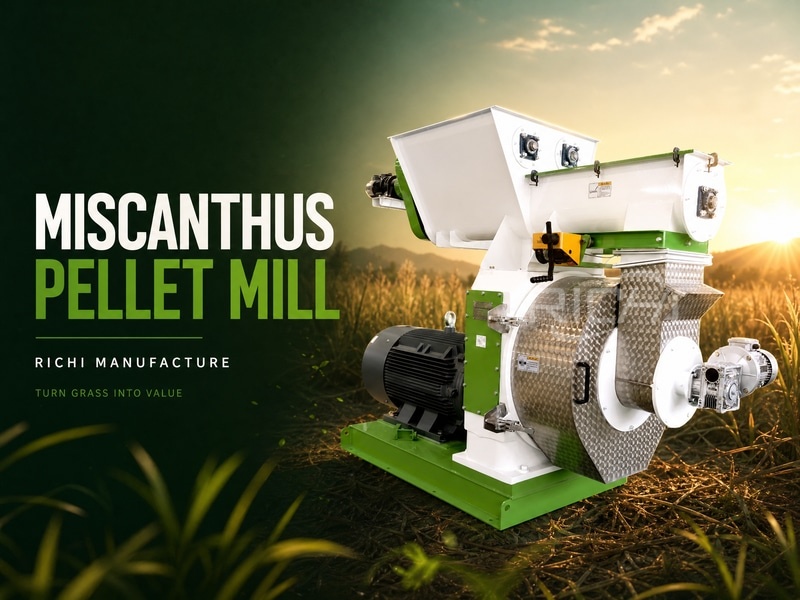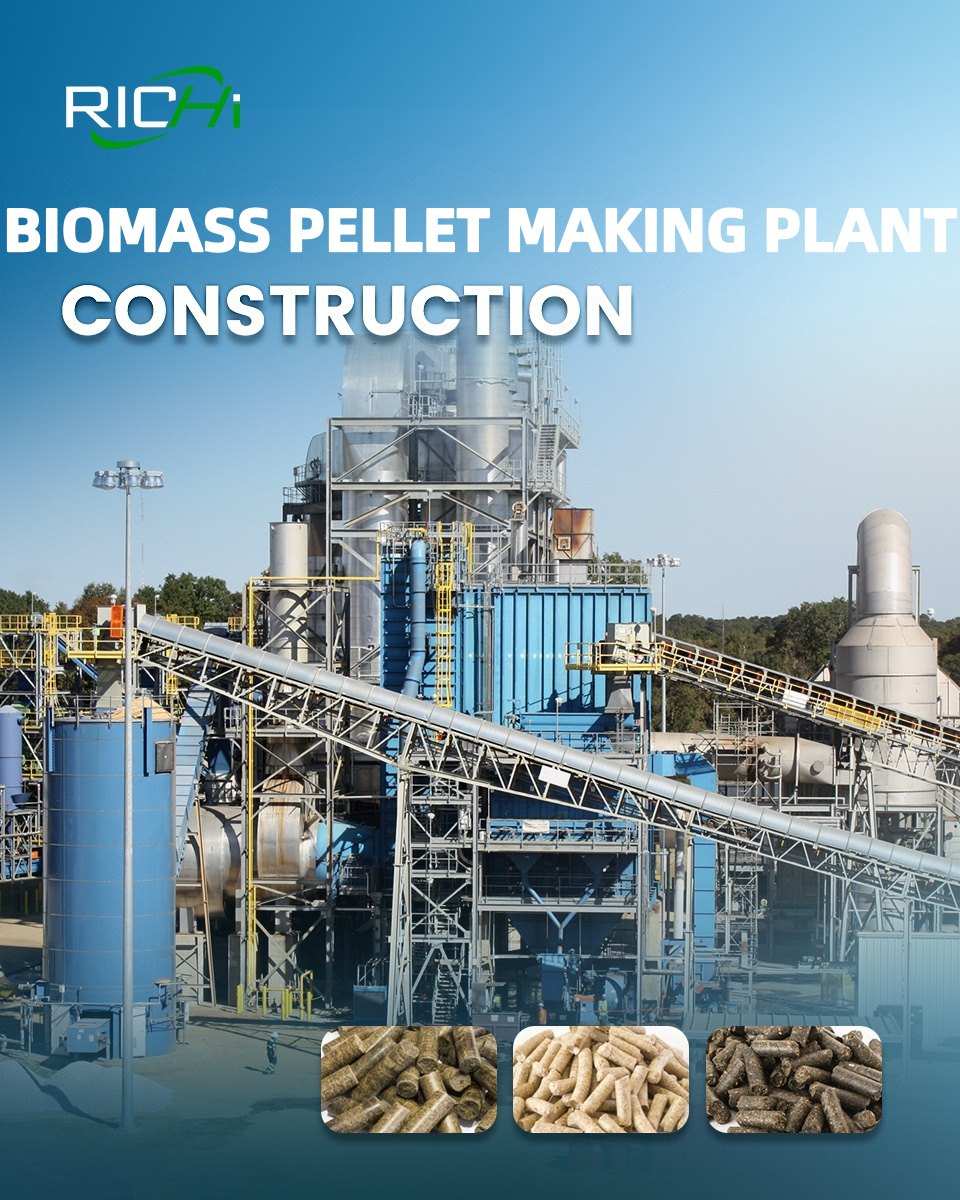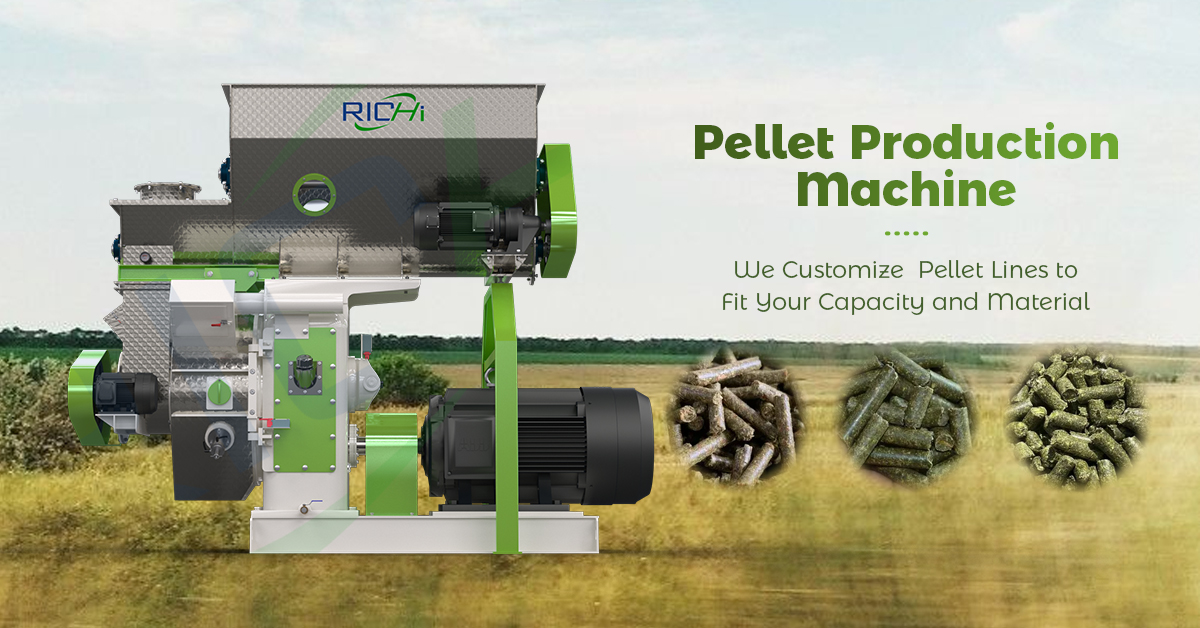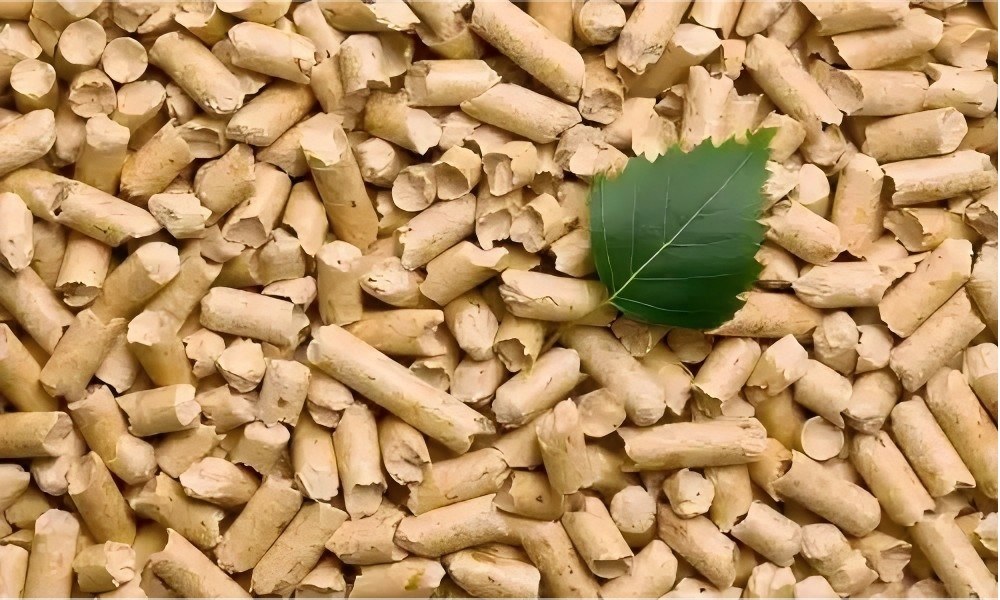


Every palm oil mill produces them by the ton. After the fresh fruit bunches are sterilized and the fruit is stripped away, what remains is a mountain of empty fruit bunches, or EFB. It is fibrous, wet, and bulky. For decades, it was burned in open piles, left to rot in fields, or returned to the plantation as mulch. None of those options captured the energy or the value locked inside the material. In recent years, however, a different approach has gained momentum. EFB is being processed into pellets—dense, dry, uniform pellets that can be burned as fuel, used as bedding, or sold into growing biomass markets. The technology that makes this possible is the efb pellet mill, and for mill operators and plantation owners, it represents a way to turn a disposal problem into a revenue stream.
Why EFB Is Hard to Handle
EFB is not an easy material. It arrives from the mill with a moisture content of 60% to 70%. It is long, stringy, and uneven. It does not flow. It bridges in hoppers. It wraps around rotating parts. It is abrasive because of the silica content. And it is variable—different mills produce EFB with different characteristics depending on the fruit, the process, and the handling.
These properties make EFB difficult to burn directly. Loose EFB is bulky, so it is expensive to transport. It burns unevenly, producing smoke and leaving unburned residue. It also absorbs moisture from the air, which reduces its energy value. For these reasons, raw EFB has limited use. It can be returned to the field as mulch, but the nutrients are released slowly, and the volume is enormous. It can be composted, but composting takes time and space. It can be burned in specially designed boilers, but those boilers are expensive and not widely available.
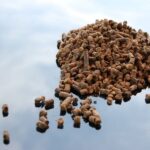
Pelleting changes the physical form of EFB. It reduces the volume, increases the density, and creates a consistent product that can be handled, stored, and shipped like any other biomass pellet. The energy content is preserved. The combustion characteristics improve. The material that was once a liability becomes an asset.
What Happens Inside a Pellet Mill
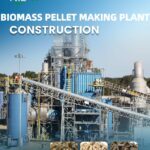
A pellet mill is not a single machine. It is the core of a system that prepares the material, compresses it, and cools the finished pellets. For EFB, the preparation steps are especially important because the raw material is so variable.
The first step is size reduction. EFB is shredded or hammer-milled to a consistent particle size. The goal is a material that feeds smoothly into the pellet mill and compresses evenly. If the particles are too large, the pellets will be weak. If they are too fine, the material may not bind properly.
The second step is drying. Fresh EFB contains too much moisture for pelleting. The moisture content must be reduced to around 12% to 15%. Drying can be done with a rotary dryer, a belt dryer, or a fluidized bed dryer. The heat source may be biomass, natural gas, or waste heat from the mill. Drying is energy-intensive, but it is essential for producing durable pellets.
The third step is conditioning. The dried material is exposed to steam, which softens the fibers and activates the natural lignin. This step improves binding and reduces wear on the die. For EFB, conditioning is particularly important because the fibers are tough and resilient.
The fourth step is pelleting. The conditioned material is fed into the pellet mill, where rollers press it through a die. The friction generates heat, which melts the lignin and binds the particles together. The pellets emerge as dense, cylindrical shapes, which are then cut to length.
The fifth step is cooling and screening. The hot pellets are cooled to ambient temperature, which hardens them and reduces moisture. A screener removes fines and broken pellets, which are recycled back into the process. The finished pellets are then ready for storage or sale.
The Case for Automation
A manual pellet mill can produce EFB pellets, but it requires constant attention. The operator must monitor the feed rate, the moisture content, the die temperature, and the pellet quality. Small changes in any of these variables can affect the final product. For a mill that runs several shifts per day, the labor cost and the inconsistency can be significant.
An automatic biomass pellet machine addresses these issues. It uses sensors and controls to monitor the process and adjust parameters in real time. The feed rate is controlled automatically. The moisture content is measured and corrected. The die temperature is maintained within a narrow range. The result is more consistent pellets, lower labor costs, and higher throughput.
Automation also improves safety. The machine can detect abnormal conditions—such as a sudden drop in feed, a rise in temperature, or a blockage—and shut down before damage occurs. This reduces downtime and extends the life of the equipment.
For EFB, automation is particularly valuable because the material is so variable. The system can compensate for changes in moisture, particle size, and composition without constant operator intervention. That means fewer rejected batches, less waste, and more consistent revenue.
Choosing the Right Equipment
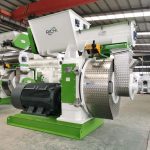
Not every pellet mill is suitable for EFB. The material is abrasive, so the die and rollers must be made from wear-resistant alloys. The feeding system must handle fibrous, stringy material without wrapping or bridging. The drive system must provide enough torque to compress the material without stalling. The cooling and screening systems must be sized for the throughput.
Buyers should also consider the scale of the operation. A small mill might process a few hundred kilograms per hour, suitable for a plantation that wants to produce fuel for its own use. A larger mill might process several tons per hour, suitable for a commercial pellet plant that sells into the export market. The right scale depends on the volume of EFB available, the capital available, and the target market.
The manufacturer’s experience matters. EFB is different from wood, straw, or other biomass materials. A manufacturer who has worked with EFB understands its quirks—the way it bridges, the way it wears dies, the way it responds to conditioning. That knowledge is built into the design of the equipment and the recommendations for operation.
Richi Pellet Machine has worked with biomass producers in many regions, including palm oil mills that process EFB. Their equipment is designed for durability and consistent output. The dies are made from hardened alloys. The feeders are engineered for fibrous materials. The control systems are user-friendly and reliable. For operators who are new to EFB pelleting, the support and training that come with the equipment can shorten the learning curve and avoid costly mistakes.
The Economics of EFB Pelleting
The economics of EFB pelleting depend on several factors. The cost of the raw material is usually low—EFB is a byproduct that many mills pay to dispose of. The cost of energy is significant, especially for drying. The cost of labor depends on the level of automation. The cost of maintenance depends on the abrasiveness of the material and the quality of the equipment.
On the revenue side, EFB pellets can be sold as fuel, as bedding, or as a soil amendment. The fuel market is the largest. EFB pellets have a calorific value of about 15 to 17 megajoules per kilogram, which is comparable to wood pellets. They can be burned in biomass boilers, power plants, and industrial furnaces. In some regions, they qualify for renewable energy subsidies, which improves the economics.
The bedding market is smaller but growing. EFB pellets are absorbent and low in dust. They are used for horse bedding, poultry litter, and livestock bedding. The soil amendment market is also emerging, as EFB pellets can improve soil structure and water retention.
The payback period for an EFB pellet mill depends on the scale and the market. For a mill that produces its own fuel, the savings on energy costs can pay back the investment in a few years. For a commercial pellet plant, the payback depends on the selling price and the utilization rate. In many cases, the payback is three to five years.
The Environmental Angle
EFB pelleting also has environmental benefits. Open burning of EFB releases smoke and greenhouse gases. Returning EFB to the field can be beneficial, but it is not always practical, especially when the volume is large. Pelleting provides a controlled way to use the material. When EFB pellets are burned for energy, they displace fossil fuels. When they are used as bedding, they replace wood shavings or other materials. Both uses reduce the environmental footprint of palm oil production.
There is also the matter of waste reduction. Palm oil mills that pellet their EFB reduce the volume of waste they must manage. They also reduce the risk of environmental violations related to open burning or improper disposal. For mills that are under pressure to improve their sustainability, pelleting can be part of the solution.
What to Look For in a Supplier
When considering an EFB pellet mill, buyers should ask several questions. What is the capacity of the mill? What is the moisture content of the raw material it can handle? What type of die is used, and how long does it last? What kind of conditioning is required? What is the level of automation? What support is provided for installation, training, and maintenance?
The answers will reveal whether the supplier understands EFB and whether the equipment is suited to the application. A supplier who has experience with EFB will be able to provide references and performance data. They will also be able to recommend the right configuration for the specific situation.
It is also worth visiting a working installation if possible. Seeing the equipment in operation, talking to the operators, and observing the quality of the pellets provides insights that no brochure can match. It also allows the buyer to assess the support and service provided by the supplier.
The Future of EFB Pelleting
As the demand for renewable energy grows, the interest in EFB pelleting is likely to increase. Palm oil producing countries have an abundance of EFB, and many of them are looking for ways to add value to their biomass resources. Pelleting offers a way to do that. It creates a product that can be used locally or exported. It reduces waste and environmental impact. It provides a new revenue stream for mills and plantations.
The technology is proven. The equipment is available. The markets are developing. For those who are ready to move beyond the traditional approaches to EFB management, pelleting is a practical and profitable option. The first step is to understand the material, the process, and the equipment. The next step is to talk to suppliers and visit installations. The final step is to make the investment and start producing.
For more detailed information on EFB pellet mills, automation options, and supplier comparisons, find out here now to access resources that can help you make an informed decision. The opportunity is real. The time to act is now.