



Miscanthus has attracted attention as a renewable biomass resource because it produces substantial quantities of fibrous plant material that can be collected and converted into useful products. For businesses located near agricultural production areas, the challenge is not simply finding enough biomass. The bigger question is how to transform a bulky and inconsistent raw material into a standardized product that can be stored, transported, and sold efficiently.
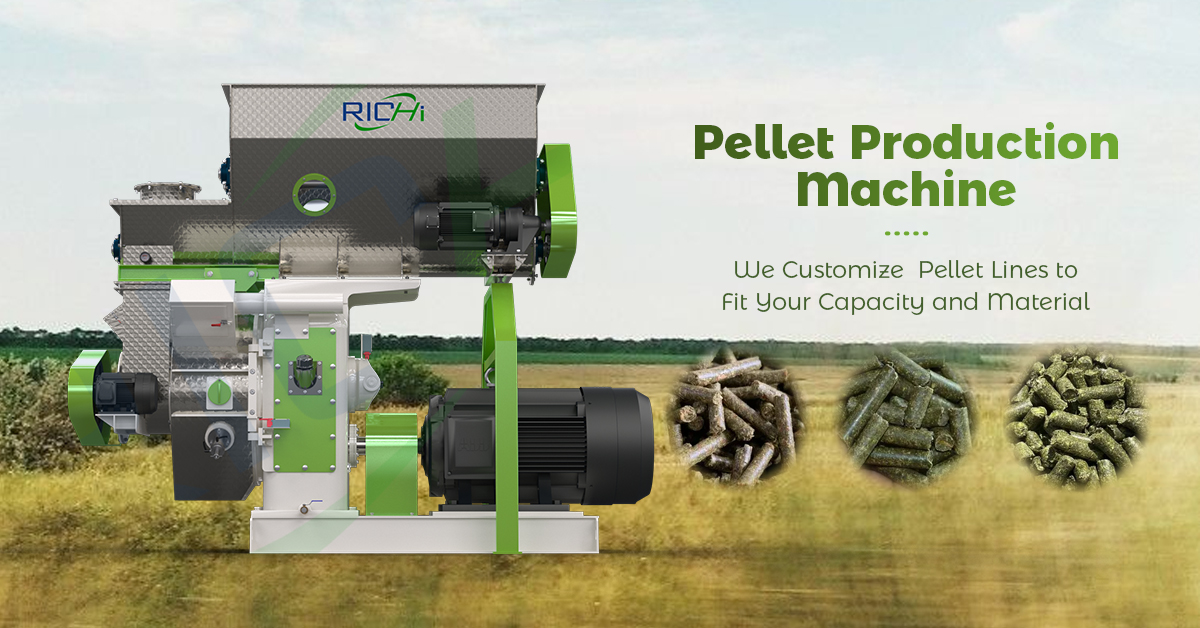
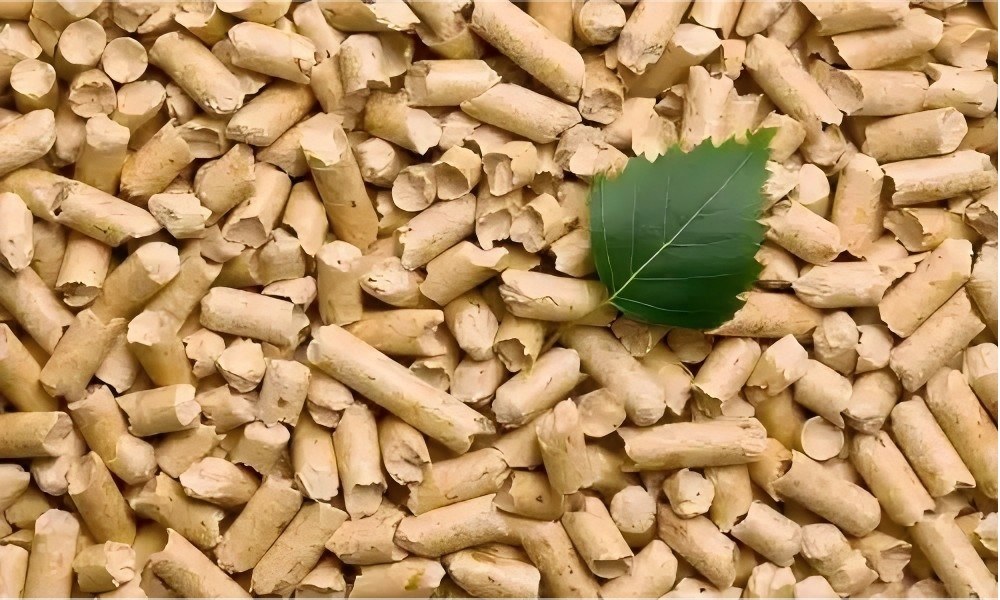
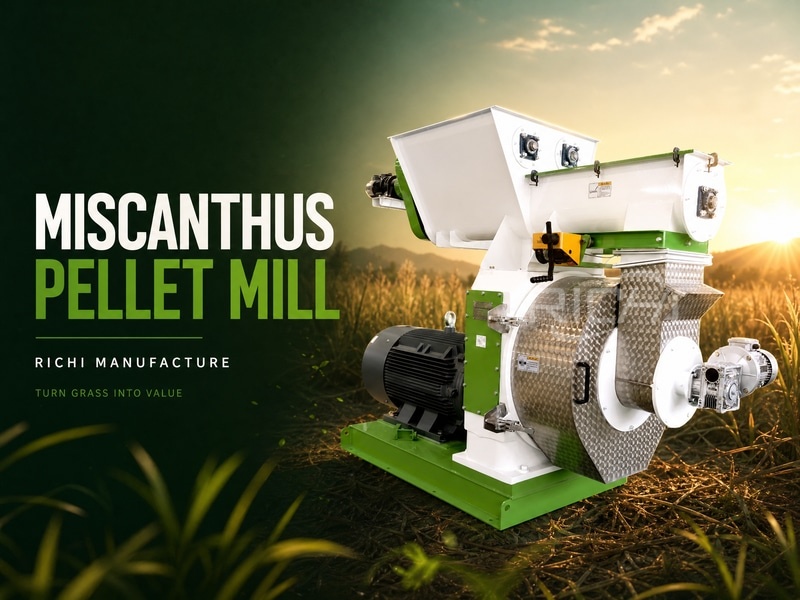
A miscanthus pellet mill can become the central machine in this process. Instead of handling loose grass with irregular moisture and low bulk density, a pelletizing system compresses prepared biomass into compact cylindrical fuel pellets. This change can make transportation and storage considerably easier while creating a product with more consistent physical characteristics.
Why Miscanthus Requires Appropriate Processing
Freshly harvested miscanthus is not immediately suitable for direct pellet production. The stalks are fibrous, relatively light, and can vary significantly in moisture depending on harvesting conditions. Long fibers may also create feeding difficulties if the material is introduced into a conventional pelletizing system without adequate preparation.
For this reason, commercial production normally begins with raw material preparation. Foreign matter should be removed before further processing, while oversized stalks need to be reduced to a more manageable particle size. Moisture also needs to be controlled because excessive water can reduce pellet quality and increase the energy required for drying.
Once the material has been properly prepared, the pellet mill can compress it under controlled pressure. The objective is to achieve pellets with sufficient mechanical strength for handling while maintaining stable production throughout the operating cycle.
Matching Capacity With Raw Material Supply
One of the most important decisions for a new biomass project is production capacity. A machine that is too small may create a bottleneck when large quantities of miscanthus are available. A machine that is unnecessarily large, however, can increase investment and operating costs without providing a practical advantage.
A capacity range such as the 1-40t/h grass pellet machine category gives investors room to consider very different production scales. A small agricultural operation may need a compact system for local consumption, while a biomass fuel supplier may require multiple machines or a larger industrial configuration.
The correct capacity should therefore be determined by annual raw material availability, expected operating hours, target pellet demand, available storage, and downstream sales. It is better to calculate realistic throughput than to select equipment based only on the highest advertised capacity.
Building a Balanced Production System
Pelletizing is only one part of a commercial biomass project. If miscanthus enters the mill with excessive moisture or unsuitable particle size, the pelletizer cannot compensate for every upstream problem.
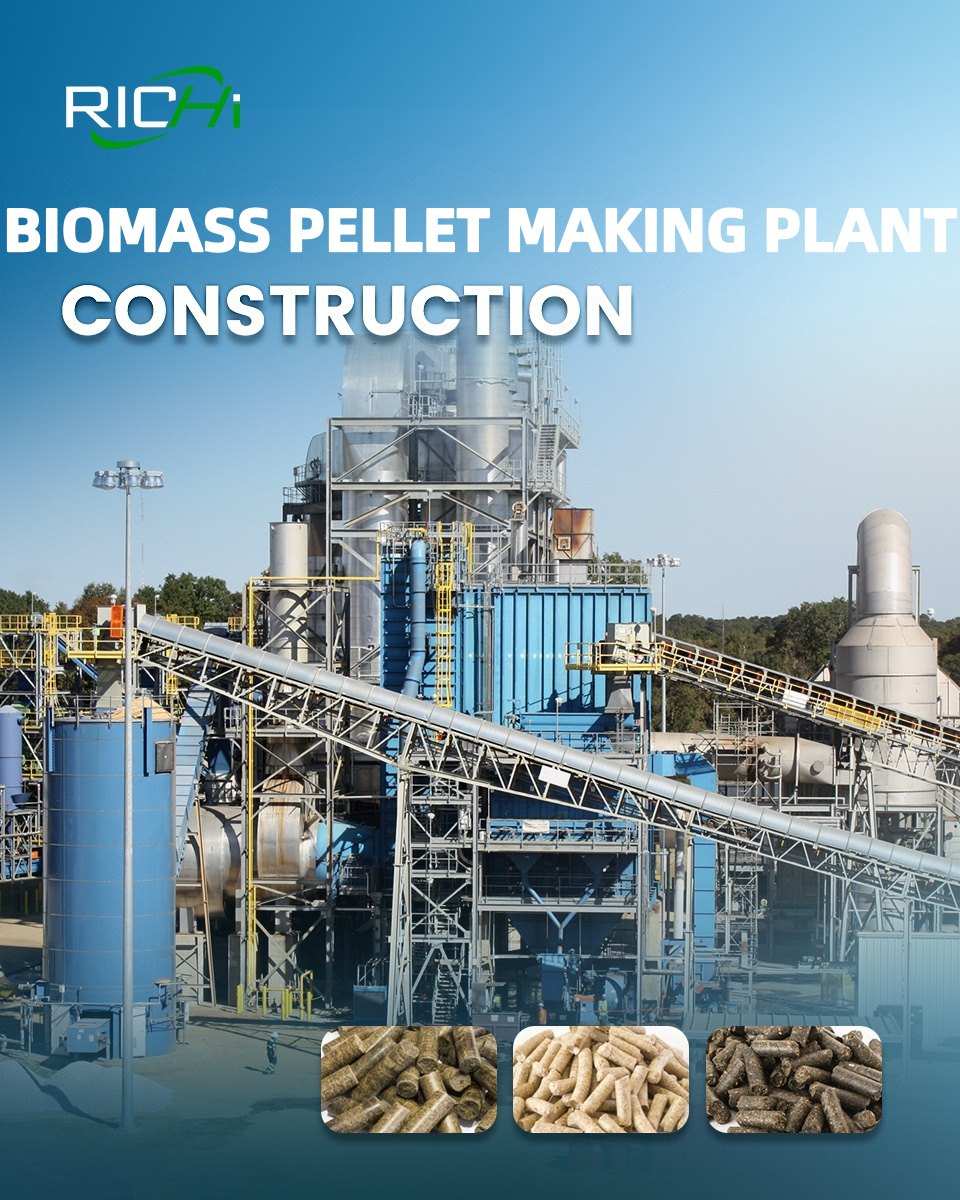
A typical system can include material cleaning, crushing, drying, conveying, pelletizing, cooling, screening, and packaging. The exact configuration depends on the raw material condition and final product requirements. For example, dry feedstock may require less drying capacity, while freshly harvested biomass may require a more substantial drying section.
The cooling stage is equally important because newly formed pellets can retain considerable heat. Cooling stabilizes the pellets before screening and storage, while screening separates loose fines from finished material.
Planning for Long-Term Operation
Commercial pellet production should be planned around more than initial machine output. Maintenance access, spare parts, electrical supply, dust management, storage space, and operator requirements can all influence the long-term performance of the plant.
A manufacturer with experience in biomass applications can help evaluate these factors before equipment is ordered. Technical information, equipment dimensions, power requirements, and process recommendations should be reviewed together rather than independently.
For businesses researching suppliers, it can be useful to go to website pages that explain actual equipment structures, production processes, and project applications instead of relying only on short product advertisements.
From Biomass Resource to Marketable Product
The commercial value of miscanthus comes from converting an abundant but difficult-to-handle raw material into a standardized fuel. Pellet production makes that transformation possible by combining preparation, controlled moisture, mechanical compression, cooling, and screening into one process.
With appropriate planning, the same concept can serve farms, biomass fuel suppliers, heating businesses, and industrial energy users. The key is to size the equipment around the real material supply and intended market rather than treating pellet production as a single-machine purchase.
For companies evaluating biomass processing equipment, Richi manufacture provides an example of how pelletizing equipment can be integrated into broader biomass production projects. The most successful investment is ultimately the one where raw material supply, processing capacity, product quality, logistics, and market demand are considered as one connected system.
view details: https://www.richimanufacture.com/miscanthus-pellet-mill/