

What Can You Do With Empty Fruit Bunches?
Every palm oil mill produces them by the ton. After the fresh fruit bunches are…
Every palm oil mill produces them by the ton. After the fresh fruit bunches are…
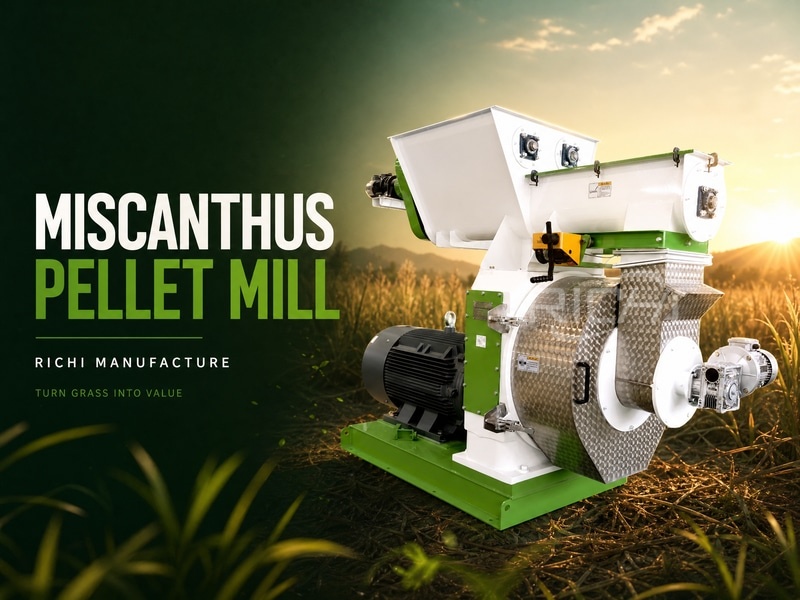
Miscanthus has attracted attention as a renewable biomass resource because it produces substantial quantities of…
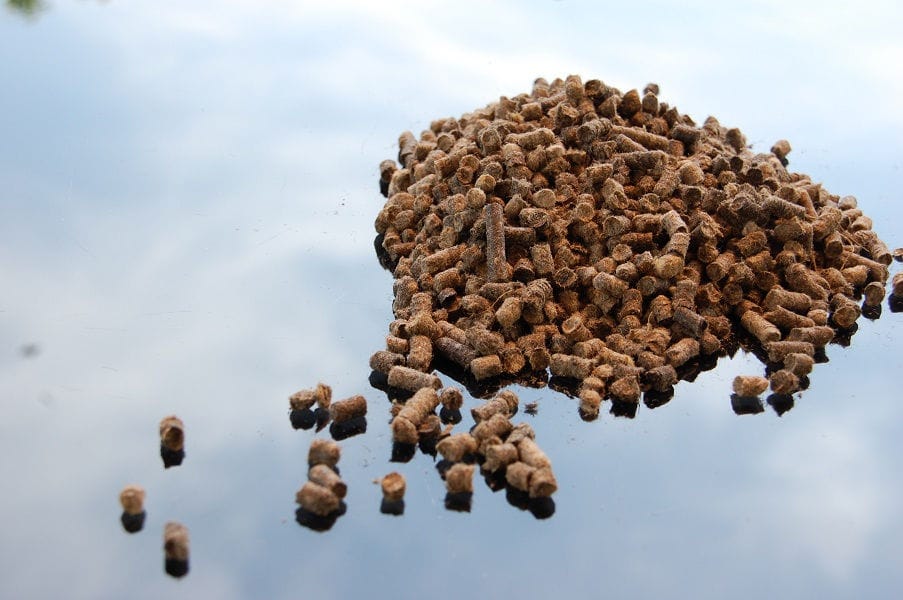
Walk into any poultry barn, and you’ll see two things in abundance: chickens and their…
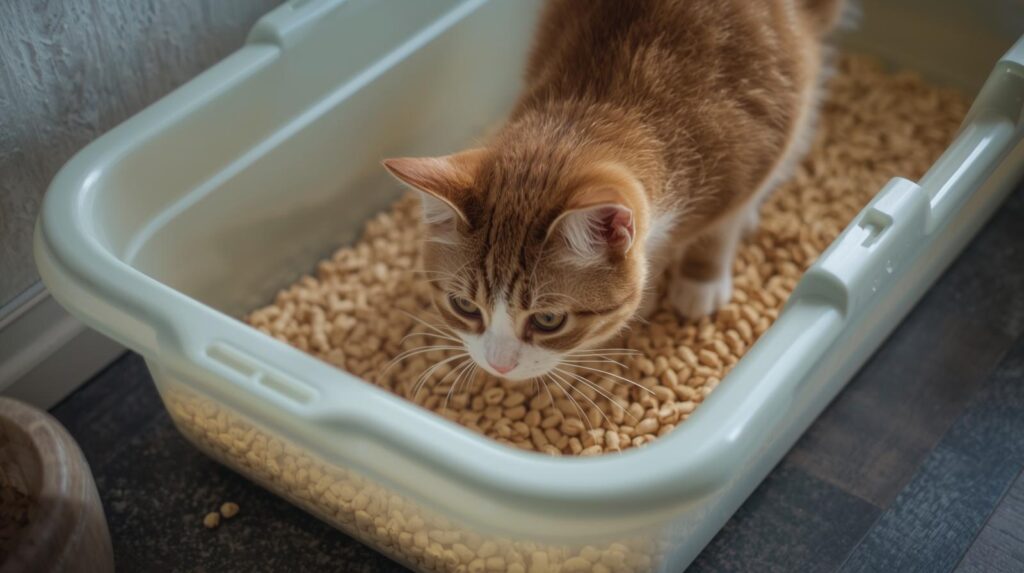
Tofu cat litter has become an increasingly popular alternative to traditional mineral-based cat litter because…

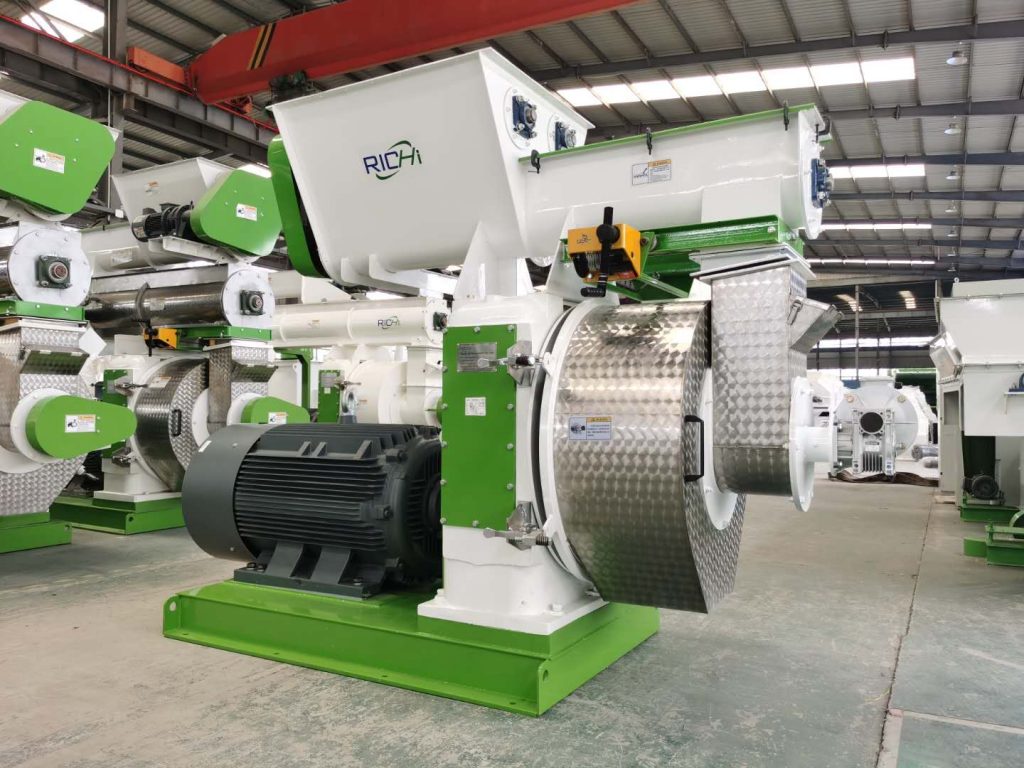
Every palm oil mill produces them by the ton. After the fresh fruit bunches are sterilized and the fruit is stripped away, what remains is a mountain of empty fruit bunches, or EFB. It is fibrous, wet, and bulky. For decades, it was burned in open piles, left to rot in fields, or returned to…
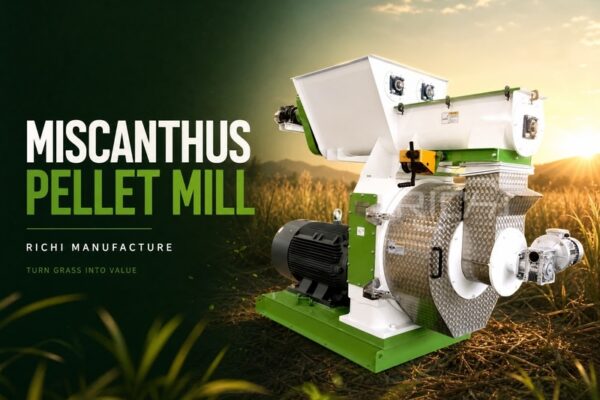
Miscanthus has attracted attention as a renewable biomass resource because it produces substantial quantities of fibrous plant material that can be collected and converted into useful products. For businesses located near agricultural production areas, the challenge is not simply finding enough biomass. The bigger question is how to transform a bulky and inconsistent raw material…
Walk into any poultry barn, and you’ll see two things in abundance: chickens and their waste. The birds are your livelihood—meat, eggs, or both. The manure? That’s just a problem you’ve learned to live with. You haul it out, spread it on fields when you can, and pay someone to take it when you can’t….
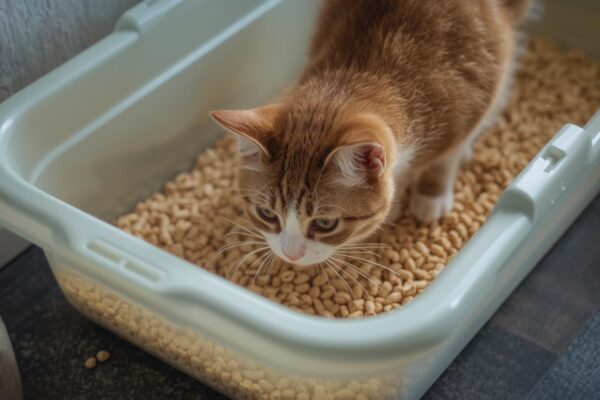
Tofu cat litter has become an increasingly popular alternative to traditional mineral-based cat litter because it is made from plant-based materials and can offer good absorption, clumping performance, low dust, and lightweight handling. Commercial tofu cat litter production, however, involves much more than simply grinding soybean residue and pressing it into pellets. Manufacturers need to…
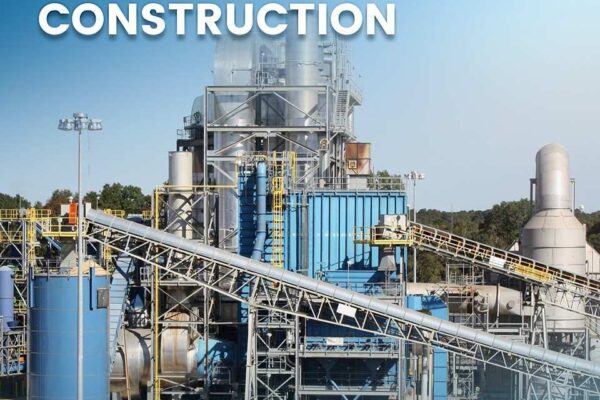
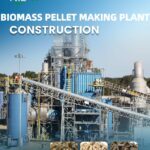
The global shift toward renewable energy has positioned biomass pellets as a clean, sustainable alternative to fossil fuels. These pellets are manufactured from agricultural and forestry waste including wood chips, sawdust, rice husks, crop straw, and other organic residues. Modern production systems, featuring advanced biomass pellet machine technology, enable efficient operations that meet growing market demand while reducing carbon…
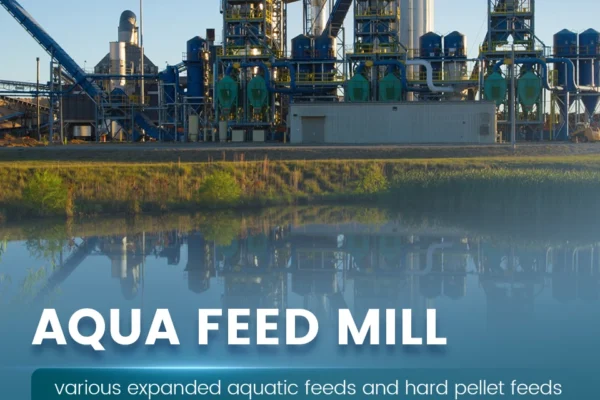
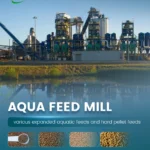
Introduction The rapid expansion of global aquaculture has created increasing demand for high-quality aquatic feed. As fish farming becomes more intensive and professional, feed efficiency has become one of the most important factors influencing production costs, fish growth performance, and environmental sustainability. Modern aquaculture operations require feed products that provide balanced nutrition, excellent digestibility, stable…
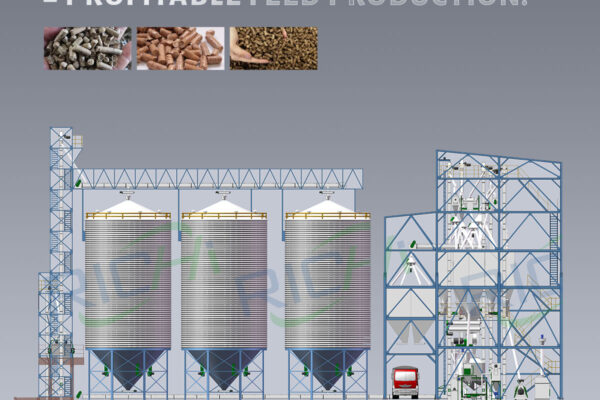
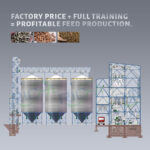
The global livestock industry is becoming increasingly competitive. As farms expand and demand for animal products continues to rise, feed manufacturers are facing new challenges in production capacity, quality control, and cost management. For modern agricultural enterprises, feed production is no longer simply about processing raw materials into pellets. It requires a complete strategy that…
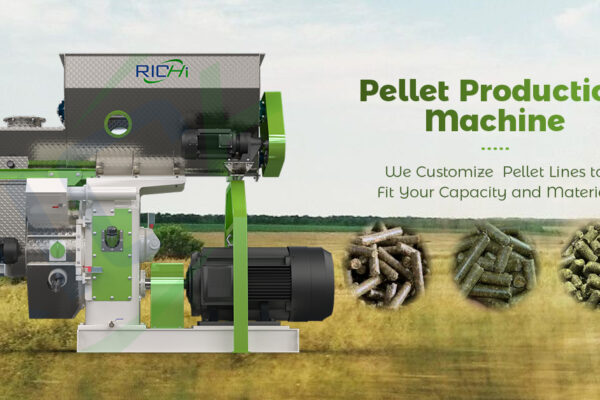
Introduction: The Hidden Value Behind Corn Stalk Waste Agriculture generates millions of tons of crop residues every year. Among these residues, corn stalks are one of the most abundant biomass resources worldwide. Traditionally, farmers often burn or discard corn stalks after harvesting, creating environmental problems such as air pollution, greenhouse gas emissions, and wasted resources….
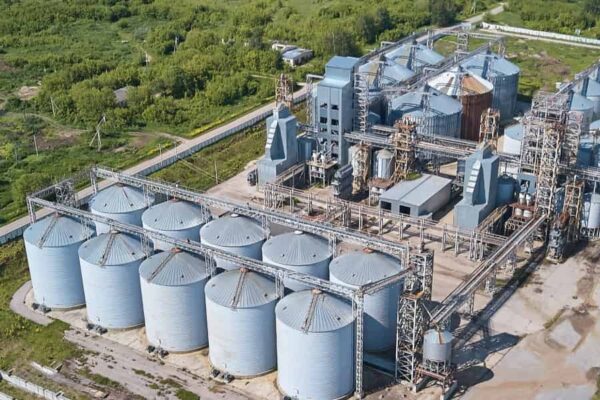
Across the United Kingdom, industries are placing greater emphasis on resource efficiency, sustainable manufacturing, and renewable energy solutions. As environmental regulations become stricter and energy costs remain a concern, many companies are searching for practical ways to create additional value from existing resources. One of the most successful approaches has been the conversion of wood…
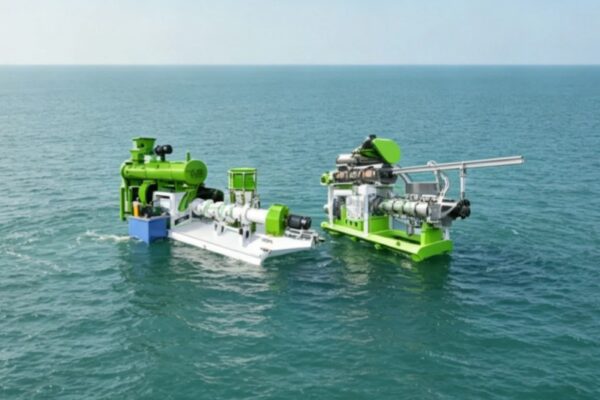
Introduction: The Importance of Quality in Aquatic Feed Manufacturing Aquaculture has become an essential part of global food production, providing a reliable source of fish, shrimp, and other aquatic products. As the industry continues to expand, the demand for high-quality aquatic feed is increasing rapidly. Feed quality directly influences aquatic animal growth, feed utilization efficiency,…