
The global agricultural industry is undergoing a major transformation as farmers, agribusinesses, and governments increasingly focus on sustainable farming practices. One of the fastest-growing sectors within this movement is organic fertilizer production. As concerns about soil degradation, environmental pollution, and food safety continue to rise, organic fertilizers have become a preferred alternative to conventional chemical fertilizers. Among the various forms of organic fertilizers available on the market, pelletized organic fertilizer has gained particular popularity due to its convenience, efficiency, and commercial value.
For entrepreneurs, investors, and agricultural businesses, an important question naturally arises: Is organic fertilizer pellet production profitable? The answer is generally yes, but profitability depends on several factors, including raw material availability, production costs, market demand, equipment selection, and operational efficiency. One of the most critical pieces of equipment in the production process is the fertilizer granulator, which directly affects product quality, production capacity, and overall profitability.
Organic fertilizer pellet production offers a unique business opportunity because it transforms low-value or waste materials into a high-demand agricultural product. Livestock manure, crop residues, food processing waste, and other organic by-products are often available at very low cost or even free in many regions. Instead of becoming environmental liabilities, these materials can be converted into valuable fertilizer pellets that support crop production and improve soil health.
One of the primary reasons organic fertilizer pellet production can be profitable is the growing demand for organic farming inputs. Around the world, consumers are becoming more conscious of food quality and environmental sustainability. This trend has encouraged farmers to reduce their reliance on synthetic fertilizers and adopt organic alternatives. As organic agriculture expands, the demand for organic fertilizer pellets continues to increase, creating favorable market conditions for producers.
The profitability of an organic fertilizer pellet business often begins with raw material sourcing. In many agricultural regions, livestock farms generate large quantities of manure that require proper disposal. Poultry farms, cattle farms, pig farms, and sheep farms frequently face waste management challenges. Fertilizer manufacturers can establish partnerships with these farms to obtain raw materials at minimal cost. In some cases, livestock producers may even be willing to provide manure free of charge simply to reduce disposal expenses. This creates a significant cost advantage compared to industries that rely on expensive raw materials.
Crop residues represent another valuable source of feedstock. Materials such as rice straw, corn stalks, wheat straw, peanut shells, and sugarcane bagasse are often underutilized. Instead of being burned or discarded, these agricultural by-products can be composted and incorporated into organic fertilizer formulations. Utilizing locally available agricultural waste reduces transportation costs and improves overall profitability.
However, low-cost raw materials alone do not guarantee success. The production process must be carefully managed to ensure that the final product meets market expectations. Proper fermentation is essential for producing high-quality organic fertilizer pellets. During composting, microorganisms decompose organic matter, eliminate harmful pathogens, reduce odors, and stabilize nutrients. Well-fermented materials are easier to process and produce superior pellets. Although fermentation requires time and management, it significantly increases the market value of the final product.
Equipment investment is one of the largest expenses when establishing an organic fertilizer pellet production facility. A complete production line may include compost turners, crushers, mixers, dryers, coolers, screening systems, packaging machines, and a fertilizer granulator. While the initial capital investment can be substantial, modern equipment greatly improves efficiency and product quality, helping producers recover their investment over time.
https://richipelletizer.com/organic-fertilizer-pellet-machine
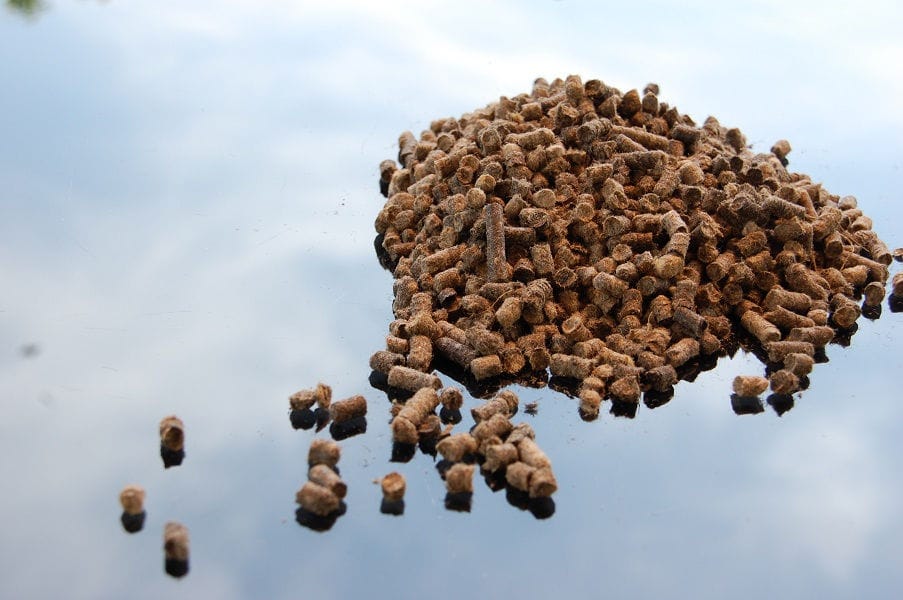
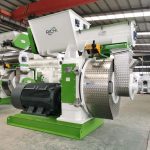
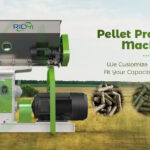
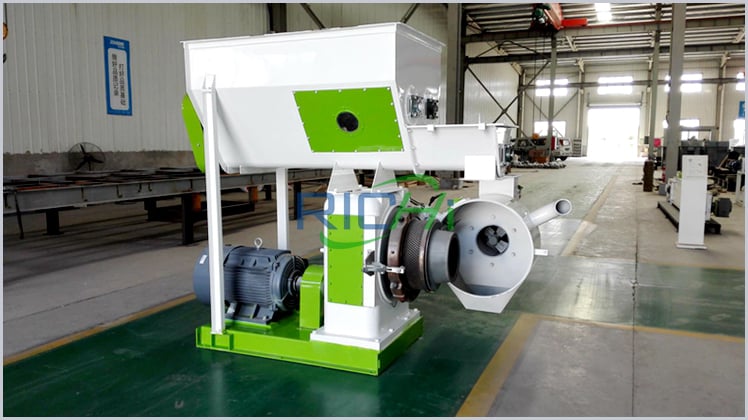
The fertilizer granulator is often considered the heart of the production line. It transforms prepared organic materials into uniform pellets with consistent size, shape, and density. High-quality granules are easier to package, transport, store, and apply in agricultural fields. Customers generally prefer products with a professional appearance and reliable performance, making granulation a key factor in commercial success.
Production capacity also has a significant impact on profitability. Small-scale operations may produce a few tons per day, while large industrial plants can produce hundreds of tons daily. Larger facilities often benefit from economies of scale, reducing production costs per ton. However, smaller operations may still achieve attractive profits by targeting local markets and maintaining lower overhead expenses. Choosing the appropriate production scale depends on market demand, available capital, and raw material supply.
Energy consumption is another factor that influences profitability. Organic fertilizer production involves crushing, mixing, granulating, drying, and packaging processes, all of which require power. Investing in energy-efficient equipment can significantly reduce operating costs. Modern fertilizer granulator designs often incorporate advanced engineering features that improve productivity while minimizing energy consumption. Over the long term, these efficiency gains can substantially increase profit margins.
Labor costs vary depending on the level of automation used in the production facility. Highly automated production lines require fewer workers and offer greater consistency, but they also involve higher initial investment costs. In regions where labor is relatively inexpensive, semi-automated systems may provide an attractive balance between cost and efficiency. Business owners must carefully evaluate local economic conditions when determining the optimal level of automation.
Market demand remains one of the strongest drivers of profitability. Organic fertilizer pellets are used by a wide range of customers, including organic farms, conventional farms seeking soil improvement, horticultural businesses, landscaping companies, nurseries, and home gardeners. This diversity of end users creates multiple revenue opportunities. Furthermore, many governments actively promote sustainable agriculture through subsidies, grants, and policy incentives, which can further support market growth.
Product quality plays a critical role in determining market success. Customers are willing to pay premium prices for fertilizers that provide reliable nutrient content, good pellet durability, and consistent performance. Poor-quality products, on the other hand, often struggle to compete. This is why maintaining proper production standards and using a reliable fertilizer granulator are essential. Consistent quality not only improves customer satisfaction but also encourages repeat purchases and long-term business growth.
Pricing strategy is another important aspect of profitability. Organic fertilizer pellets generally command higher prices than raw compost due to their convenience and improved handling characteristics. Pelletization adds value by reducing transportation costs, improving storage stability, and enabling precise application. Producers who can differentiate their products through quality, certification, or specialized formulations may achieve even higher profit margins.
Transportation and logistics costs must also be considered. Organic fertilizer materials can be bulky, making transportation expensive. Establishing production facilities close to raw material sources helps reduce inbound logistics costs. Similarly, locating near target markets can lower distribution expenses. Efficient logistics planning can significantly improve overall profitability.
Branding and marketing efforts can further enhance business performance. As competition increases, successful companies often distinguish themselves through strong branding, product quality, and customer service. Highlighting environmental benefits, sustainable production practices, and proven agricultural results can help attract customers and justify premium pricing. Marketing channels may include agricultural exhibitions, distributor networks, online platforms, and partnerships with farming organizations.
Another factor supporting profitability is the increasing emphasis on environmental sustainability. Governments worldwide are implementing stricter regulations regarding livestock waste management and environmental protection. Organic fertilizer production provides a practical solution for converting agricultural waste into useful products. Businesses that help address environmental challenges may benefit from policy support, tax incentives, or access to sustainability-focused funding programs.
Despite the positive outlook, organic fertilizer pellet production does face certain challenges. Raw material quality can vary significantly depending on source and season. Maintaining consistent formulations may require careful monitoring and blending. Market competition can also increase pressure on pricing and margins. Additionally, improper equipment maintenance may result in downtime and reduced productivity. Successful operators address these challenges through effective management practices, preventive maintenance programs, and continuous quality control.
Technological innovation continues to improve the profitability potential of the industry. Modern fertilizer granulator systems offer higher output rates, improved pellet quality, and lower operating costs. Automation technologies allow producers to monitor production parameters in real time, reducing waste and improving consistency. Digital management systems also help optimize inventory, maintenance schedules, and resource utilization.
Future industry trends suggest continued growth in organic fertilizer demand. Global concerns regarding soil degradation, climate change, and sustainable food production are unlikely to diminish. As more farmers adopt regenerative agriculture practices, the need for organic soil amendments will continue expanding. This creates long-term opportunities for businesses involved in organic fertilizer pellet production.
For new investors, careful planning is essential. Conducting a detailed feasibility study, evaluating local raw material availability, assessing market demand, and selecting appropriate equipment are all critical steps. Investing in a high-quality fertilizer granulator and establishing efficient production processes can significantly improve the likelihood of success. Building relationships with farmers, distributors, and agricultural organizations can also help secure stable sales channels.
In conclusion, organic fertilizer pellet production can be a highly profitable business when managed effectively. The industry benefits from growing market demand, abundant raw material resources, environmental advantages, and increasing support for sustainable agriculture. While initial investment and operational challenges must be considered, the potential returns are attractive for both small-scale entrepreneurs and large industrial producers. The fertilizer granulator serves as a central component of the production process, enabling the creation of high-quality pellets that meet market expectations. As the global agricultural sector continues moving toward sustainability, organic fertilizer pellet production is likely to remain a profitable and expanding business opportunity for years to come.(view our website: Richi Pellet Machine)