


Introduction: The Hidden Value Behind Corn Stalk Waste
Agriculture generates millions of tons of crop residues every year. Among these residues, corn stalks are one of the most abundant biomass resources worldwide. Traditionally, farmers often burn or discard corn stalks after harvesting, creating environmental problems such as air pollution, greenhouse gas emissions, and wasted resources.
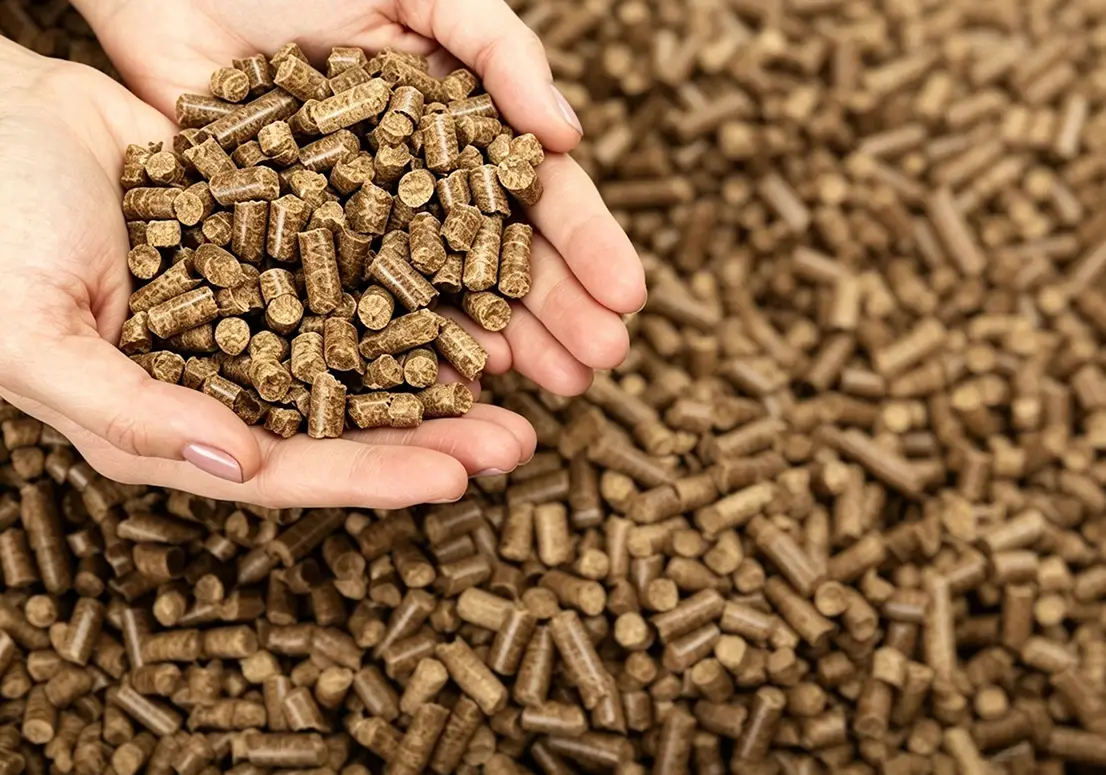
However, with the rapid development of renewable energy technologies, agricultural waste is becoming an important alternative fuel source. Corn stalks contain high levels of cellulose, hemicellulose, and lignin, making them suitable raw materials for producing biomass fuel pellets. Through proper processing, loose stalk materials can be transformed into dense, clean, and easy-to-transport fuel products.
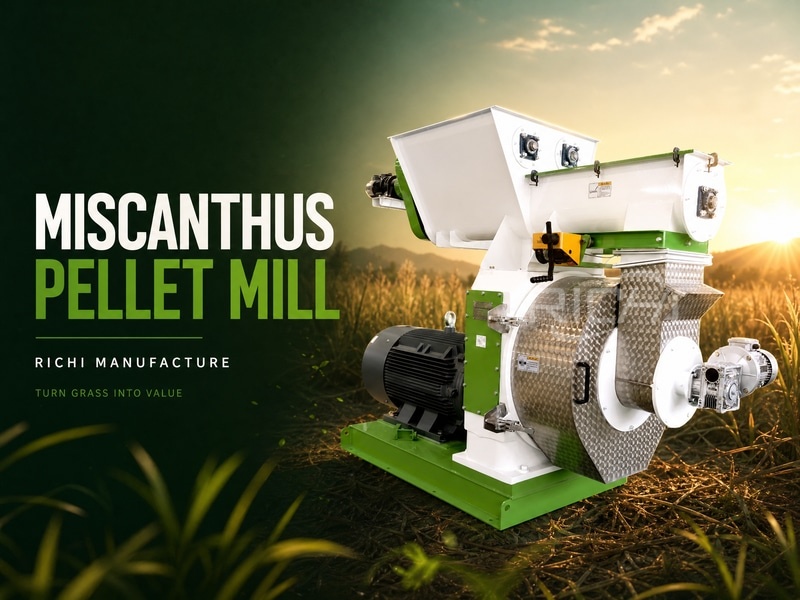
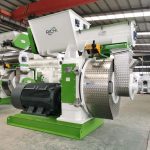
The increasing demand for sustainable energy has encouraged more agricultural businesses, fuel suppliers, and investors to explore biomass pellet production. Modern equipment such as a corn stalk pellet machine provides an effective way to convert seasonal agricultural residues into profitable energy products.
Why Corn Stalks Are Suitable for Biomass Pellet Production
Corn cultivation is widespread in many countries, including the United States, China, Brazil, India, Ukraine, and many European regions. After corn harvesting, large quantities of stalks remain in farmland. These materials usually have limited direct economic value, but they have excellent characteristics for pellet manufacturing.
Several advantages make corn stalks an attractive biomass resource:
1. Large Availability and Low Raw Material Cost
Unlike wood resources that require long growth cycles, corn stalks are agricultural by-products produced every year. Farmers can obtain these materials at relatively low costs, reducing the investment pressure for biomass fuel manufacturers.
2. Renewable and Environmentally Friendly
Corn stalk pellets are considered renewable fuels because they come from continuously regenerated agricultural resources. Compared with coal, biomass pellets produce lower carbon emissions and help reduce dependence on fossil fuels.
3. Easy Storage and Transportation
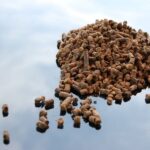
Raw corn stalks have low density and require large storage space. Pelletizing compresses the material into compact cylindrical particles, improving transportation efficiency and reducing storage requirements.
4. Wide Application Areas
Corn stalk pellets can be used for industrial boilers, biomass power plants, heating systems, and residential pellet stoves. They provide an alternative energy source for industries seeking cleaner fuel options.
The Basic Process of Producing Corn Stalk Pellets
Although corn stalks are abundant, they cannot be directly used as fuel without proper preparation. A complete pellet production process usually includes several important stages.
Raw Material Collection and Preparation
Fresh corn stalks normally contain high moisture content and irregular shapes. Before pelletizing, they should be collected, cleaned, and processed into suitable sizes.
Crushing and Size Reduction
The stalk materials need to be crushed into smaller particles to improve pellet quality. Uniform particle size allows better compression and improves the bonding effect during pellet formation.
Drying Process
Moisture content has a significant impact on pellet production. If the material contains excessive moisture, pellets may become loose and unstable. If moisture is too low, the pelletizing process may become difficult.
A suitable moisture range helps achieve stronger pellets and smoother production.
Pelletizing Stage
During pelletizing, biomass materials are compressed under high pressure through a die. The natural lignin inside plant fibers acts as a binder, helping the particles maintain their shape.
For different production requirements, businesses can choose different equipment configurations. Some small farms may need compact systems, while large biomass fuel manufacturers usually require industrial-scale production solutions.
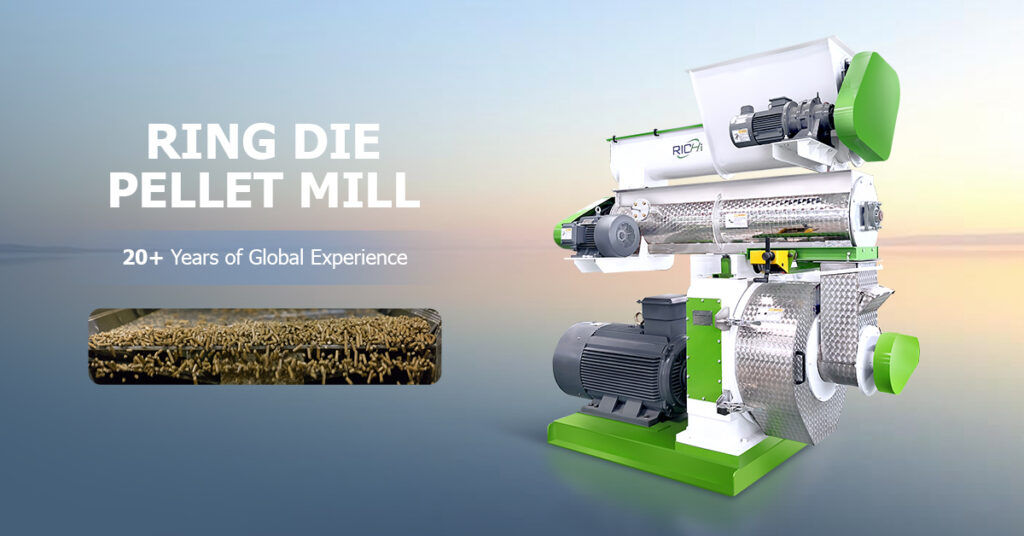
For example, many investors compare different capacity options such as 3-4 T/H rice straw pellet mill for sale when planning biomass projects because rice straw and corn stalks share similar processing characteristics.
Choosing the Right Equipment for Corn Stalk Pellet Production
Selecting suitable pelletizing equipment is one of the most important decisions for biomass businesses. The ideal machine depends on several factors, including raw material type, production capacity, energy requirements, and final product applications.
Production Capacity Requirements
Small agricultural enterprises may choose lower-capacity machines for local fuel production, while commercial pellet manufacturers need higher output systems to supply larger markets.
A proper capacity evaluation should consider:
- Available raw material quantity
- Expected annual production volume
- Local fuel demand
- Transportation distance
- Investment budget
Equipment Durability and Operating Stability
Corn stalk materials contain fibrous structures that require strong compression force during pellet production. High-quality pellet equipment should have durable components and stable operation performance.
The core components, especially the die and rollers, directly influence production efficiency and maintenance costs.
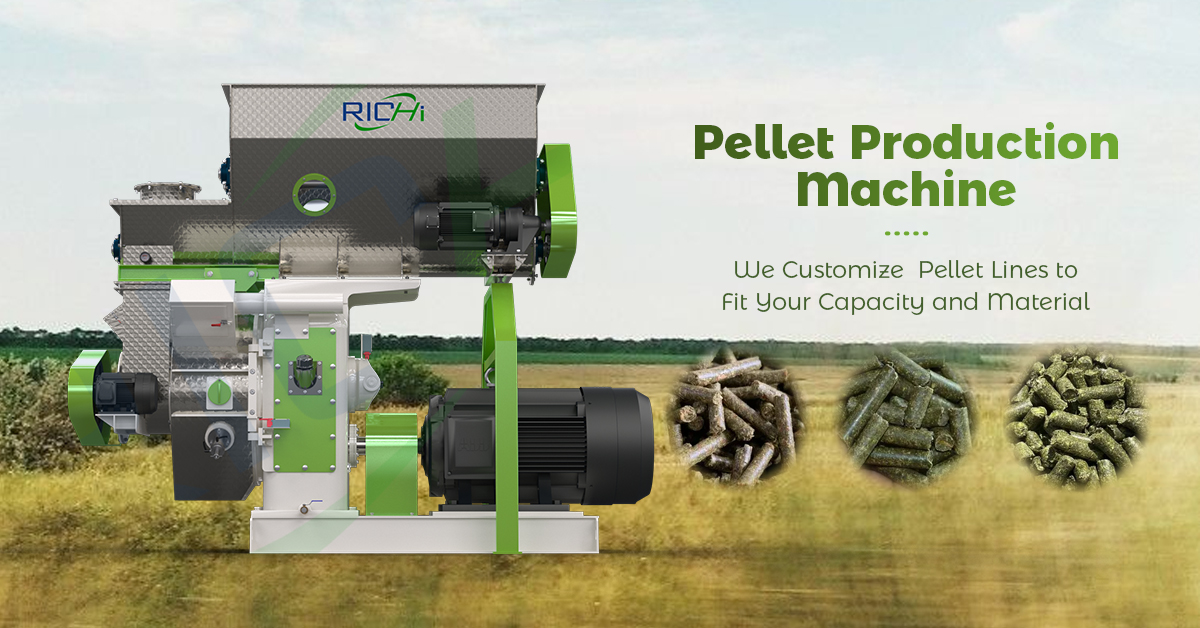
Experienced manufacturers can provide customized solutions according to different raw materials and production goals. Companies searching for reliable biomass equipment often compare different options from Richi manufacture to understand available technologies and production configurations.
Improving Pellet Quality Through Better Processing Technology
Producing high-quality biomass pellets requires more than simply compressing materials. Several technical factors influence the final product.
Particle Size Control
Proper crushing improves pellet density and reduces breakage during transportation. Oversized particles may create weak points inside pellets.
Moisture Management
Moisture affects compression performance, durability, and combustion efficiency. Regular moisture monitoring helps maintain stable production.
Temperature and Pressure Control
During pelletizing, friction creates heat that activates natural binders inside biomass materials. Proper pressure and temperature control improve pellet strength.
Cooling and Screening
After pellet formation, pellets should be cooled and screened. Cooling stabilizes pellet structure, while screening removes broken particles and improves product appearance.
Market Opportunities for Corn Stalk Pellet Businesses
The global transition toward renewable energy creates new opportunities for biomass pellet producers.
Growing Demand for Alternative Fuels
Many countries are introducing policies encouraging renewable energy development. Industries are increasingly replacing traditional fuels with biomass alternatives.
(Related Post: https://biomasspelletizer.com/hay-pellet-machine-for-sale/)
Additional Income for Agricultural Communities
Corn stalk pellet production creates new revenue opportunities for farmers. Instead of treating crop residues as waste, agricultural communities can supply raw materials to biomass plants or operate their own pellet businesses.
Development of Rural Energy Systems
Small and medium biomass plants can provide local heating solutions while reducing agricultural waste management problems.
Challenges and Solutions in Corn Stalk Pellet Production
Although corn stalk pellet production has strong potential, investors should understand several challenges.
Seasonal Raw Material Supply
Corn harvesting usually occurs during specific periods, creating challenges in year-round production.
Solutions include:
- Establishing raw material collection networks
- Building storage facilities
- Cooperating with local farmers
Raw Material Quality Variation
Different regions produce corn stalks with different moisture levels and fiber characteristics.
A flexible processing system can adjust parameters according to raw material conditions.
Initial Investment Costs
Setting up a complete biomass pellet production facility requires investment in equipment, infrastructure, and operation management.
However, long-term benefits from fuel sales and waste utilization can improve profitability.
Future Development Trends of Corn Stalk Pellet Industry
The biomass pellet industry is moving toward automation, efficiency, and intelligent management.
Future production systems may include:
- Automatic feeding systems
- Digital production monitoring
- Energy-saving drying technology
- Improved pellet durability solutions
- Integrated biomass processing plants
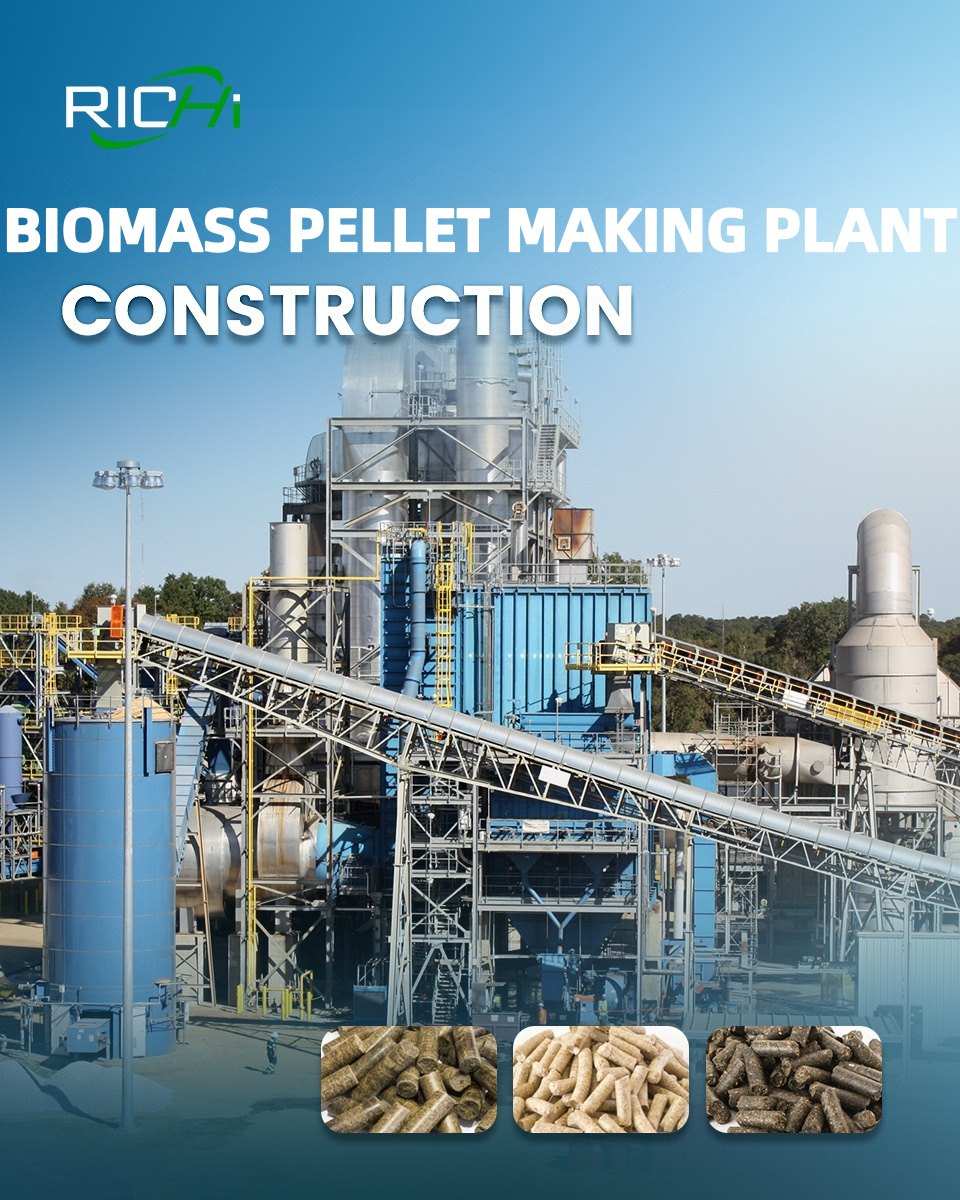
Businesses interested in exploring advanced biomass technologies can discover this info here to learn more about modern pellet production methods and industry development trends.
Conclusion: Turning Agricultural Waste into Sustainable Value
Corn stalks are no longer simply agricultural residues. With modern pelletizing technology, they can become valuable renewable energy resources that support environmental protection and economic development.
A well-designed biomass pellet project can help farmers reduce waste, provide cleaner fuel alternatives, and create new business opportunities. By selecting suitable equipment, optimizing production processes, and understanding market demands, corn stalk pellet production can become a sustainable industry with long-term growth potential.
As global energy systems continue shifting toward renewable solutions, agricultural biomass will play an increasingly important role in building a cleaner and more sustainable future.