


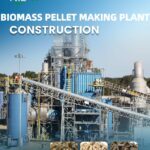

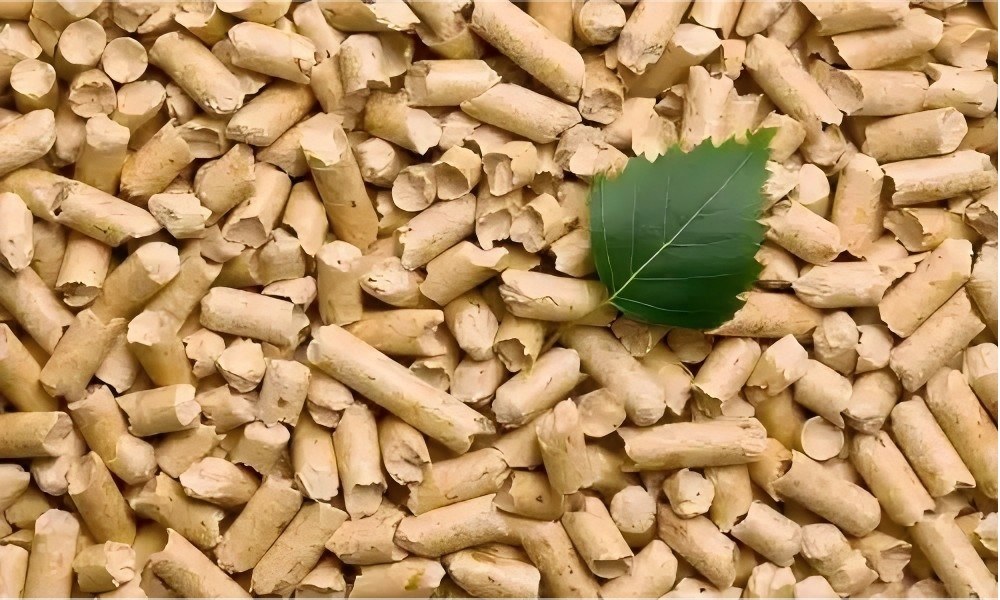
As the world continues to pursue cleaner and more sustainable energy solutions, biomass pelletizing has emerged as a rapidly growing industry. Biomass pellets are widely used as renewable fuel for residential heating, industrial boilers, power generation plants, and combined heat and power systems. Produced from agricultural residues, forestry waste, sawdust, and other organic materials, biomass pellets offer an environmentally friendly alternative to fossil fuels.
With increasing global demand for renewable energy, many entrepreneurs and investors are asking an important question: Is biomass pelletizing a profitable business opportunity? The answer depends on several factors, including raw material availability, market demand, production efficiency, operational costs, and equipment selection. However, under the right conditions, biomass pellet production can become a highly profitable and sustainable business.
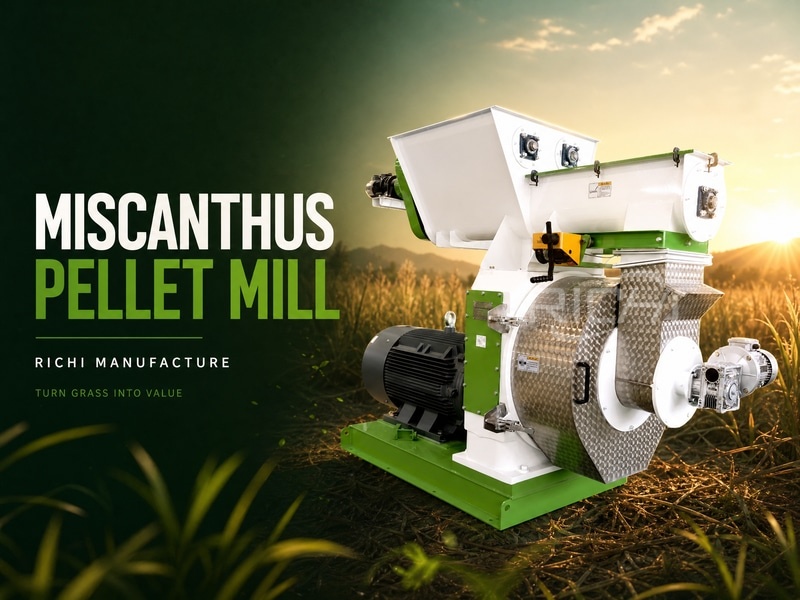
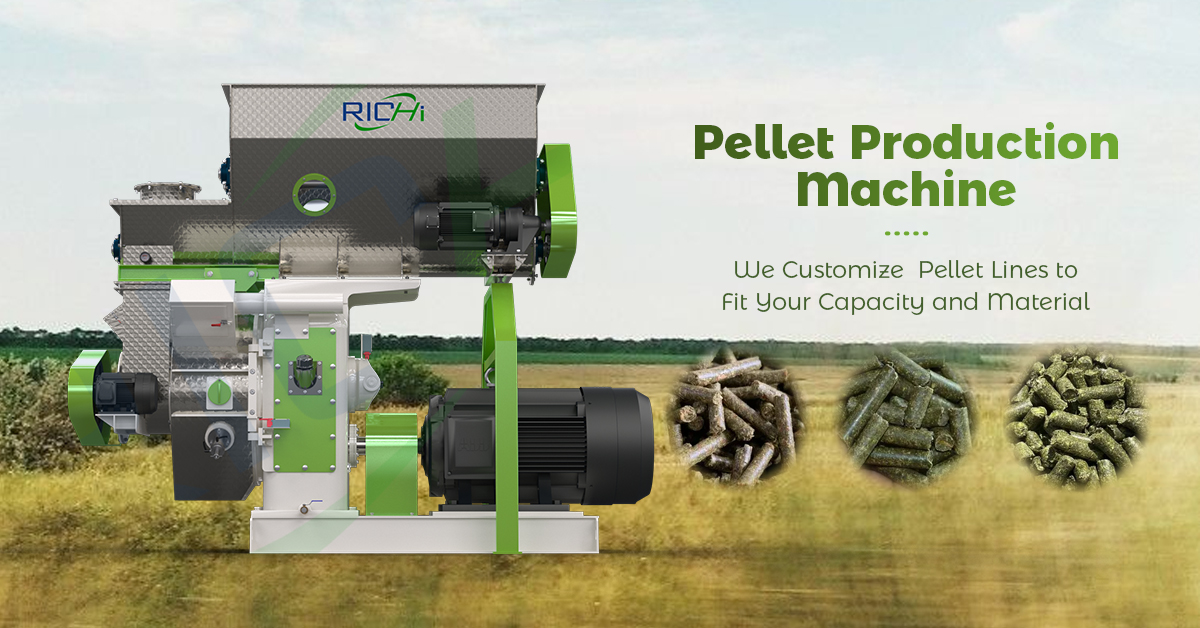
Technological advancements, particularly the development of efficient equipment such as the vertical pellet mill, have further improved production capacity and reduced operating costs, making biomass pellet manufacturing more attractive than ever before.
Understanding the Biomass Pellet Industry
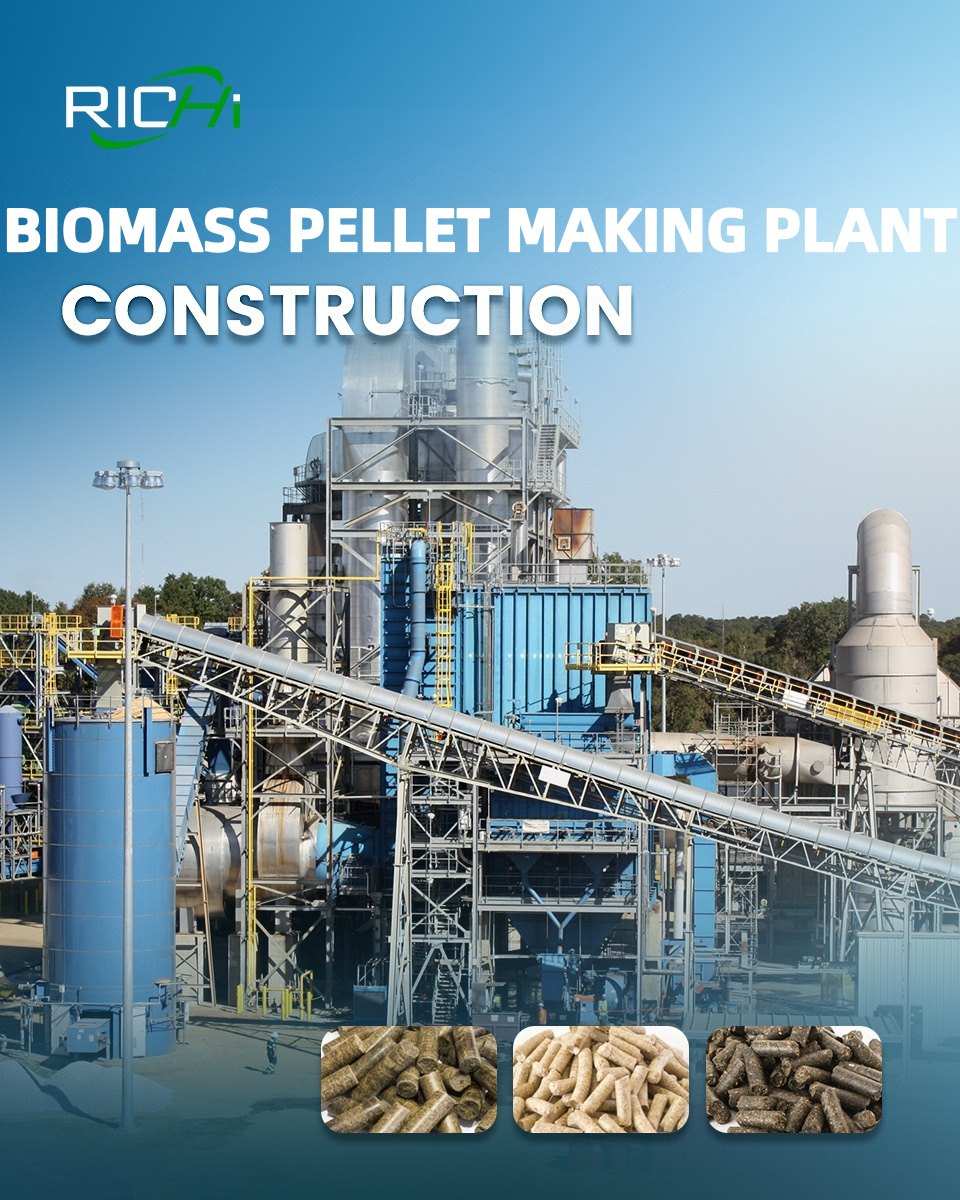
Biomass pelletizing involves compressing organic materials into dense cylindrical pellets that can be used as fuel.
Common feedstocks include:
- Sawdust
- Wood chips
- Rice husks
- Wheat straw
- Corn stalks
- Sugarcane bagasse
- Palm fiber
- Forestry residues
The pelletizing process generally includes:
- Raw material collection
- Drying
- Grinding
- Pelletizing
- Cooling
- Screening
- Packaging
The final product is a high-density fuel with excellent combustion characteristics and convenient handling properties.
Because biomass pellets provide a renewable substitute for coal and other fossil fuels, demand for pellet products continues to expand worldwide.
Growing Global Demand for Biomass Pellets
One of the strongest indicators of profitability is market demand.
Biomass pellet consumption has increased significantly over the past decade due to several factors:
Renewable Energy Policies
Many governments have introduced policies encouraging renewable energy adoption and carbon emission reductions.
Coal Replacement Programs
Numerous countries are replacing coal-fired heating and power generation systems with biomass-based alternatives.
Industrial Decarbonization
Industries seeking to lower their carbon footprint increasingly use biomass pellets as a renewable fuel source.
Residential Heating Markets
Wood pellets remain popular for residential heating in many regions because they offer convenience, efficiency, and relatively stable pricing.
Strong and growing demand creates favorable conditions for pellet producers seeking long-term profitability.
Abundant Raw Material Availability
Biomass pellet production benefits from access to large quantities of renewable raw materials.
Agricultural and forestry industries generate substantial volumes of residues every year.
Examples include:
- Sawdust from sawmills
- Crop residues from farms
- Forestry waste from logging operations
- Agricultural processing by-products
In many cases, these materials are available at relatively low cost.
The ability to convert low-value waste into marketable fuel significantly contributes to business profitability.
Regions with abundant biomass resources often provide excellent opportunities for pellet production investments.
Adding Value to Waste Materials
One of the most attractive aspects of biomass pelletizing is its ability to create value from waste.
Many biomass feedstocks have limited economic value before processing.
For example:
- Rice straw may be burned or discarded.
- Sawdust may accumulate as industrial waste.
- Corn stalks may remain unused after harvest.
Through pelletizing, these materials become valuable fuel products that can be sold to residential, commercial, and industrial customers.
This value-added transformation creates substantial profit potential for biomass pellet manufacturers.
Multiple Revenue Opportunities
Biomass pellet businesses can generate income from multiple markets.
Residential Consumers
Homeowners use biomass pellets for heating systems and pellet stoves.
Commercial Buildings
Schools, hospitals, hotels, and office complexes increasingly utilize biomass heating systems.
Industrial Users
Manufacturers use biomass pellets to generate process heat and steam.
Power Plants
Biomass power stations require large quantities of pellets for electricity generation.
Export Markets
Many countries import biomass pellets to meet renewable energy targets.
Diversified customer segments help reduce market risks and create additional revenue opportunities.
Relatively Stable Long-Term Demand
Unlike some industries that experience rapid fluctuations, renewable energy markets often benefit from long-term policy support.
As governments continue implementing carbon reduction initiatives, demand for biomass fuel is expected to remain strong.
Several trends support future growth:
- Net-zero commitments
- Renewable energy mandates
- Carbon taxation
- Sustainable heating programs
- Industrial emission reduction targets
These factors provide a stable foundation for long-term business profitability.
The Importance of Production Efficiency
While market demand is important, profitability ultimately depends on production efficiency.
Major cost components include:
- Raw materials
- Electricity
- Labor
- Maintenance
- Transportation
- Equipment depreciation
Reducing production costs improves profit margins and strengthens competitiveness.
This is where modern pelletizing technologies become especially valuable.
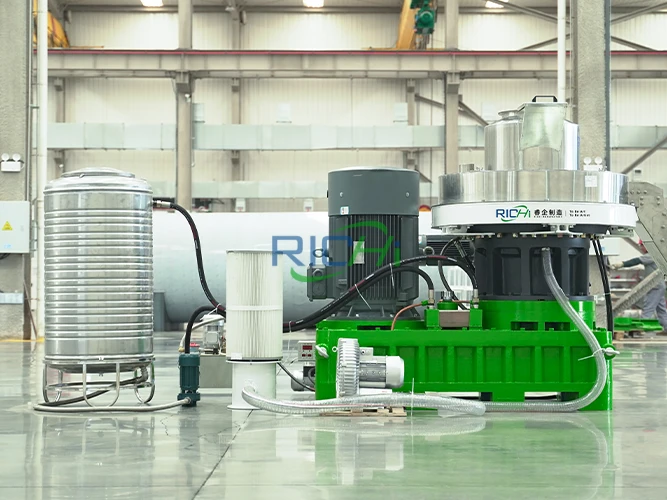
How the Vertical Pellet Mill Improves Profitability
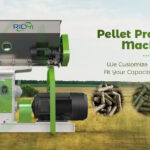
The vertical pellet mill has become increasingly popular among biomass pellet producers because of its operational advantages.
Higher Production Capacity
The vertical design improves material flow and supports continuous operation.
Higher throughput allows manufacturers to produce more pellets within the same operating period.
Better Pellet Quality
Uniform compression results in denser and more durable pellets that command higher market value.
Lower Maintenance Costs
Efficient load distribution reduces wear on key components and extends equipment lifespan.
Reduced Downtime
Reliable operation minimizes production interruptions and improves overall equipment utilization.
Feedstock Flexibility
The vertical pellet mill can process a wide range of biomass materials, increasing sourcing flexibility and reducing raw material risks.
https://pelletisingmachine.com/vertical-pellet-mill
These advantages directly contribute to improved profitability.
Evaluating Startup Costs
Like any manufacturing business, biomass pellet production requires initial investment.
Typical startup expenses include:
- Land acquisition
- Factory construction
- Pellet production equipment
- Drying systems
- Storage facilities
- Utility connections
- Transportation equipment
The exact investment depends on production capacity and project scale.
Although startup costs can be significant, many investors find that growing market demand and stable long-term revenue justify the investment.
Raw Material Costs and Their Impact
Raw material costs often represent one of the largest operating expenses.
Profitability improves when:
- Biomass resources are locally available.
- Transportation distances are short.
- Feedstock supply is stable.
- Waste materials can be acquired at low cost.
Businesses located near sawmills, agricultural production centers, or forestry operations often enjoy substantial competitive advantages.
Careful feedstock sourcing is essential for maintaining healthy profit margins.
Energy Costs and Operational Efficiency
Electricity consumption can significantly influence production economics.
Major energy-consuming processes include:
- Drying
- Grinding
- Pelletizing
- Cooling
Modern equipment designs help reduce energy consumption per ton of pellets produced.
The efficient operation of a vertical pellet mill can contribute to lower energy costs and improved overall profitability.
Investing in energy-efficient equipment often delivers long-term financial benefits.
(Related machine: efficient biomass pellet mill)
Labor Requirements
Labor costs vary depending on facility size and automation level.
Modern pellet plants increasingly utilize:
- Automated feeding systems
- Process monitoring software
- Automated packaging equipment
- Smart control systems
Automation reduces labor requirements while improving consistency and productivity.
Lower labor costs can significantly enhance business profitability.
Transportation and Logistics Considerations
Transportation plays an important role in biomass pellet economics.
Fortunately, pelletizing improves transportation efficiency by increasing biomass density.
Compared with raw biomass materials, pellets offer:
- Lower shipping costs
- Improved storage efficiency
- Easier handling
- Better fuel stability
Efficient logistics contribute to stronger profit margins and expanded market reach.
Environmental Benefits Create Market Advantages
Consumers and industries increasingly prefer environmentally responsible products.
Biomass pellets offer several sustainability benefits:
- Reduced fossil fuel dependence
- Lower greenhouse gas emissions
- Waste utilization
- Renewable energy production
These environmental advantages create additional market opportunities and strengthen demand.
Businesses that promote sustainability often gain competitive advantages in renewable energy markets. (visit site)
Government Incentives and Financial Support
Many governments support biomass energy projects through various incentive programs.
These may include:
- Investment subsidies
- Tax benefits
- Renewable energy grants
- Carbon credit programs
- Low-interest financing
Such incentives can significantly improve project economics and shorten investment payback periods.
Before launching a pellet production business, investors should carefully research available support programs in their region.
Potential Challenges to Profitability
Although biomass pelletizing offers strong profit potential, investors should also consider potential challenges.
Feedstock Supply Fluctuations
Seasonal variations may affect raw material availability.
Market Competition
Growing industry participation may increase competitive pressures.
Equipment Maintenance
Regular maintenance is essential for sustaining efficient operations.
Regulatory Changes
Environmental regulations and renewable energy policies can influence market conditions.
Successful businesses proactively manage these risks through strategic planning and operational excellence.
Export Opportunities
International pellet markets continue to expand.
Many countries lack sufficient domestic biomass resources and rely on pellet imports to meet renewable energy targets.
Export opportunities can provide:
- Higher sales volumes
- Diversified customer bases
- Improved revenue stability
Producers operating efficient facilities equipped with technologies such as the vertical pellet mill may be well positioned to compete in global markets.
Long-Term Industry Growth Potential
The long-term outlook for biomass pellet production remains highly positive.
Several factors support future expansion:
- Increasing renewable energy demand
- Global decarbonization efforts
- Industrial fuel switching
- Carbon reduction commitments
- Growing environmental awareness
As renewable energy continues to gain importance, biomass pellets are expected to play an increasingly significant role in the global energy mix.
This growth creates ongoing opportunities for profitable business development.
Key Factors for Success
While biomass pelletizing can be highly profitable, success depends on several critical factors:
- Reliable feedstock supply
- Efficient production processes
- High-quality equipment
- Strong market demand
- Effective cost management
- Skilled operational management
Companies that successfully optimize these elements often achieve attractive financial returns.
Investing in modern equipment such as a vertical pellet mill can further improve productivity and profitability by enhancing pellet quality, reducing downtime, and lowering operating costs.
Conclusion
Biomass pelletizing represents a promising and potentially profitable business opportunity in today’s renewable energy market. Growing global demand for sustainable fuel, abundant biomass resources, supportive government policies, and expanding industrial applications have all contributed to the industry’s rapid growth.
The profitability of a biomass pellet business depends on efficient operations, reliable raw material sourcing, strong market access, and careful cost management. Modern technologies, particularly the vertical pellet mill, have significantly improved production efficiency and reduced operating expenses, making pellet manufacturing more economically attractive.
For investors seeking opportunities in the renewable energy sector, biomass pellet production offers the potential for long-term growth, stable demand, environmental benefits, and attractive financial returns. As the world continues its transition toward cleaner energy systems, biomass pelletizing is likely to remain an increasingly valuable and profitable industry for years to come.