
Fish farming has become one of the fastest-growing food production industries in the world, driven by increasing global demand for seafood and the decline of wild fish stocks. However, despite its rapid expansion, aquaculture remains a cost-sensitive industry. Among all operational expenses, fish feed represents the largest cost component, often accounting for 50% to 70% of total production expenses.
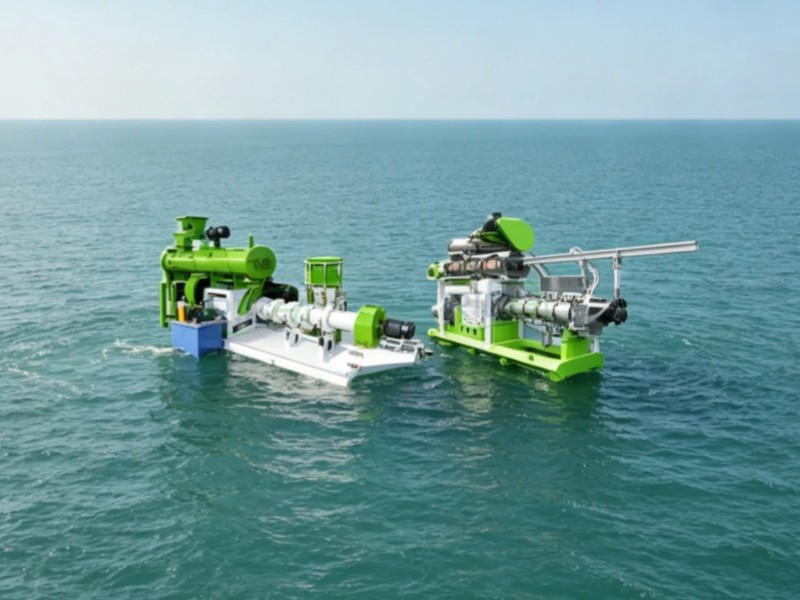
Because of this, improving fish feed production is one of the most effective ways to reduce farming costs and increase profitability. Modern technologies such as advanced feed manufacturing systems, automated production lines, and specialized equipment like the floating fish pellet machine for sale have significantly transformed the economics of aquaculture.
This article explores in detail how fish feed production reduces farming costs by improving efficiency, reducing waste, optimizing nutrition, and enabling scalable production systems.
1. Feed Cost: The Biggest Expense in Fish Farming
In aquaculture, feed is the most significant cost driver. It affects not only financial performance but also:
- Fish growth rate
- Survival rate
- Water quality
- Production cycle duration
Any inefficiency in feed production or feeding practices directly increases overall farming costs.
Traditional feeding methods, such as raw fish scraps or low-quality homemade feed, often lead to:
- High feed waste
- Poor nutrient absorption
- Slow fish growth
- Water pollution
These inefficiencies significantly increase production costs.
2. The Role of Modern Fish Feed Production
Modern fish feed production systems are designed to optimize every stage of feed manufacturing, from raw material selection to final pellet formation.
Key improvements include:
- Precise nutritional formulation
- Automated production systems
- Advanced pellet processing technology
- Improved feed stability and digestibility
These improvements directly reduce operational costs in aquaculture.
3. Fish Feed Production Line and Cost Efficiency
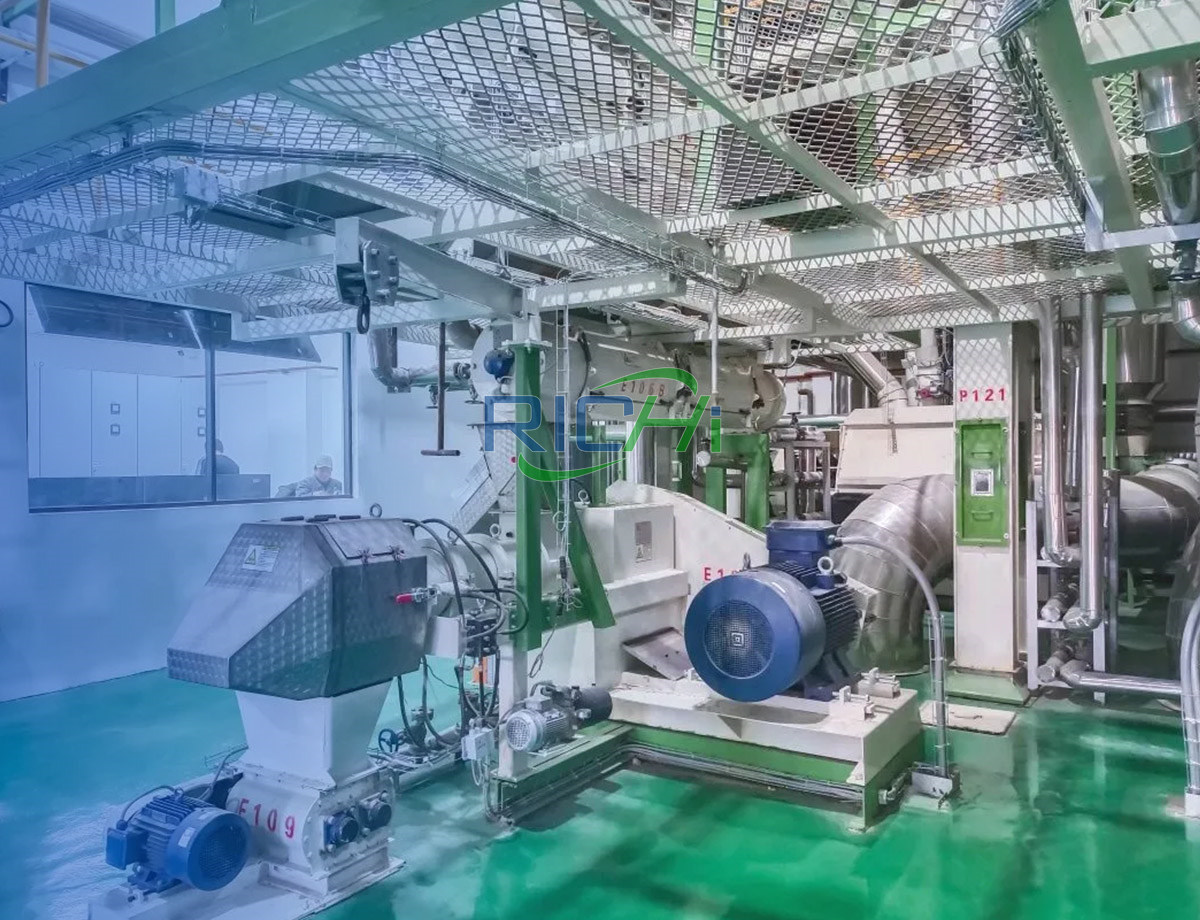
A fish feed production line is a fully integrated system that processes raw materials into finished feed pellets.
It typically includes:
- Grinding system
- Mixing system
- Conditioning system
- Pelletizing or extrusion system
- Drying system
- Cooling system
- Oil coating system
- Packaging system
3.1 How Production Lines Reduce Costs
A modern production line reduces farming costs by:
- Increasing production efficiency
- Reducing labor requirements
- Minimizing material waste
- Ensuring consistent feed quality
Consistency in feed production leads to more predictable fish growth and lower operational risks.
https://pelletisingmachine.com/fish-feed-production-line
4. Reducing Feed Waste in Aquaculture
Feed waste is one of the major hidden costs in fish farming.
Poor-quality feed leads to:
- Uneaten feed sinking to the bottom
- Water pollution
- Increased cleaning and maintenance costs
- Higher feed consumption per kilogram of fish
4.1 How Improved Feed Production Helps
Modern fish feed production ensures:
- Uniform pellet size
- Stable water resistance
- Better feeding behavior
As a result, fish consume more feed and waste less, reducing overall costs.
5. Importance of Floating Feed Technology
One of the most important innovations in cost reduction is floating fish feed.
Floating feed allows farmers to:
- Observe feeding behavior
- Adjust feeding amounts in real time
- Prevent overfeeding
This improves feed utilization efficiency significantly.
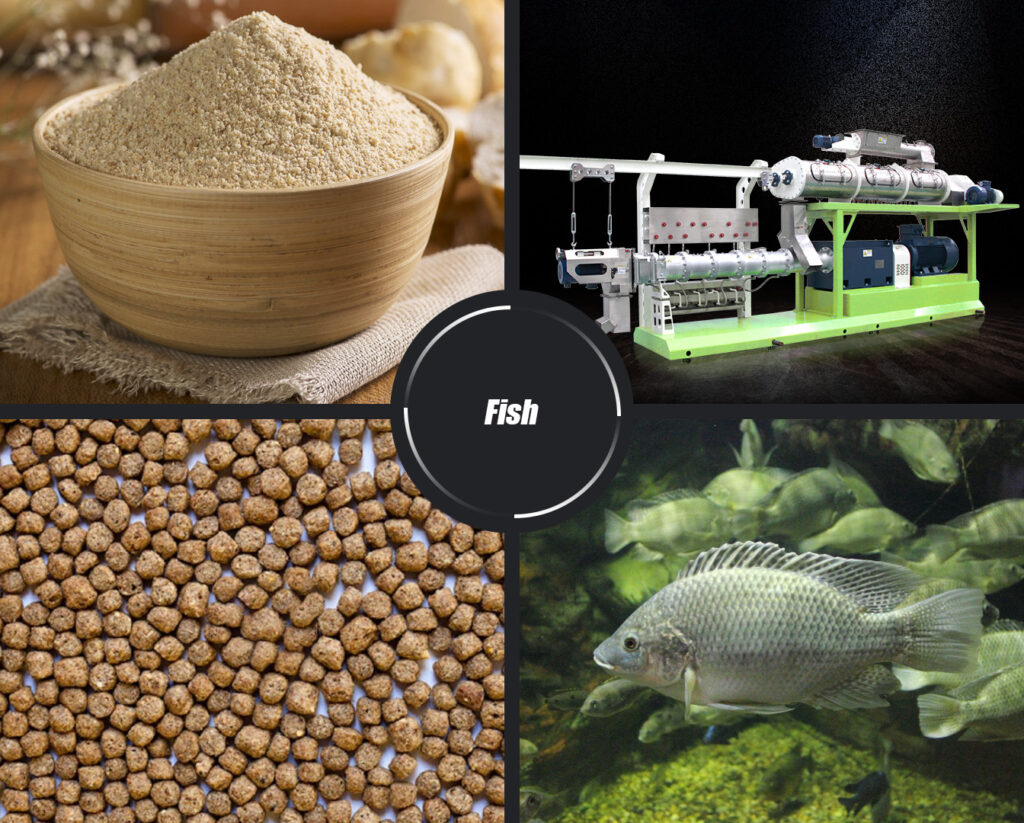
5.1 Floating Fish Pellet Machine for Sale
The availability of the floating fish pellet machine for sale has made it easier for farmers and small producers to adopt efficient feed production technology.
Benefits of this machine include:
- Produces floating pellets efficiently
- Improves feed digestibility
- Reduces feed waste
- Enhances farming control
5.2 Cost Reduction Impact
By using floating feed technology:
- Farmers reduce overfeeding losses
- Improve fish growth efficiency
- Lower total feed consumption
This directly reduces farming costs.
6. Improving Feed Conversion Ratio (FCR)
Feed conversion ratio (FCR) is a key indicator of farming efficiency.
It measures how much feed is required to produce one unit of fish weight.
6.1 How Feed Production Improves FCR
High-quality feed production reduces FCR by:
- Enhancing nutrient absorption
- Improving pellet digestibility
- Reducing waste in water
- Providing balanced nutrition
A lower FCR means lower cost per kilogram of fish produced.
7. Raw Material Optimization and Cost Control
Raw materials account for 60%–70% of feed production costs.
Efficient feed production helps reduce costs by:
- Using alternative protein sources
- Optimizing feed formulation
- Reducing dependency on expensive fish meal
7.1 Balanced Ingredient Use
Modern production systems allow precise formulation of:
- Protein sources
- Energy sources
- Vitamins and minerals
This ensures cost-effective feed without sacrificing quality.
8. Automation and Labor Cost Reduction
Automation is a major factor in reducing fish farming costs indirectly.
A fish feed production system reduces labor needs through:
- Automatic weighing
- Continuous mixing
- Automated pelletizing
- Integrated control systems
8.1 Benefits of Automation
- Lower workforce requirements
- Reduced human error
- Faster production speed
- Consistent output quality
Labor savings significantly reduce overall operational expenses.
9. Energy Efficiency in Feed Production
Energy is another major operational cost in aquaculture feed production.
Modern systems reduce energy costs by:
- Using high-efficiency motors
- Optimizing production flow
- Reducing processing waste
Energy-efficient systems help lower the cost per ton of feed produced.
10. Improved Fish Growth and Shorter Production Cycles
Better feed leads to faster fish growth.
This reduces costs by:
- Shortening farming cycles
- Increasing yearly production batches
- Reducing maintenance time
Faster growth means faster revenue generation.
11. Water Quality Improvement and Cost Savings
Poor feed leads to water pollution, which increases maintenance costs.
High-quality feed reduces:
- Ammonia buildup
- Oxygen depletion
- Algae growth
This reduces:
- Water treatment costs
- Disease management expenses
- Mortality rates
12. Disease Prevention and Health Cost Reduction
Good feed improves fish immunity.
Benefits include:
- Stronger immune systems
- Lower disease outbreaks
- Reduced medication costs
Healthier fish significantly reduce production losses.
13. Production Scalability and Cost Efficiency
Modern fish feed systems allow scalable production.
This means:
- Lower cost per unit at higher volumes
- Economies of scale
- Efficient resource utilization
Scalability is essential for commercial farming success.
14. Quality Control and Waste Reduction
Strict quality control ensures:
- Uniform pellet quality
- Stable nutrition levels
- Reduced rejected batches
Less waste equals lower production cost.
15. Maintenance Cost Reduction Through Modern Equipment
Advanced machines reduce maintenance needs.
Benefits include:
- Durable components
- Reduced breakdowns
- Lower repair costs
Proper equipment reduces long-term operational expenses.
16. Market Advantage and Price Stability
Efficient feed production allows producers to:
- Offer competitive prices
- Maintain stable supply
- Respond to market demand
This improves business sustainability.
17. Environmental Cost Savings
Efficient feed production also reduces environmental costs:
- Less water pollution
- Lower ecosystem damage
- Reduced regulatory penalties
Sustainable practices reduce hidden long-term costs.
18. Long-Term Return on Investment
Although initial investment in feed production systems and machines is high, long-term returns include:
- Reduced feed costs
- Higher fish yield
- Improved efficiency
- Strong market competitiveness
19. Challenges in Cost Reduction Strategies
Challenges include:
- Initial equipment cost
- Raw material price fluctuations
- Technical training requirements
However, long-term savings outweigh these challenges.
20. Future Trends in Cost-Efficient Feed Production
Future innovations include:
- AI-based feed optimization
- Smart production lines
- Automated feeding systems
- Sustainable raw materials
These advancements will further reduce farming costs.
Conclusion
Fish feed production plays a crucial role in reducing aquaculture farming costs. By improving feed efficiency, reducing waste, enhancing nutrition, and enabling automation, modern production systems significantly lower operational expenses.
Technologies such as the fish feed production line and the floating fish pellet mill for sale have made efficient feed production more accessible to farmers and investors. These systems improve feed conversion ratio, reduce labor costs, enhance fish growth, and minimize environmental impact.
As aquaculture continues to expand globally, efficient fish feed production will remain one of the most important strategies for achieving cost-effective, sustainable, and profitable fish farming.