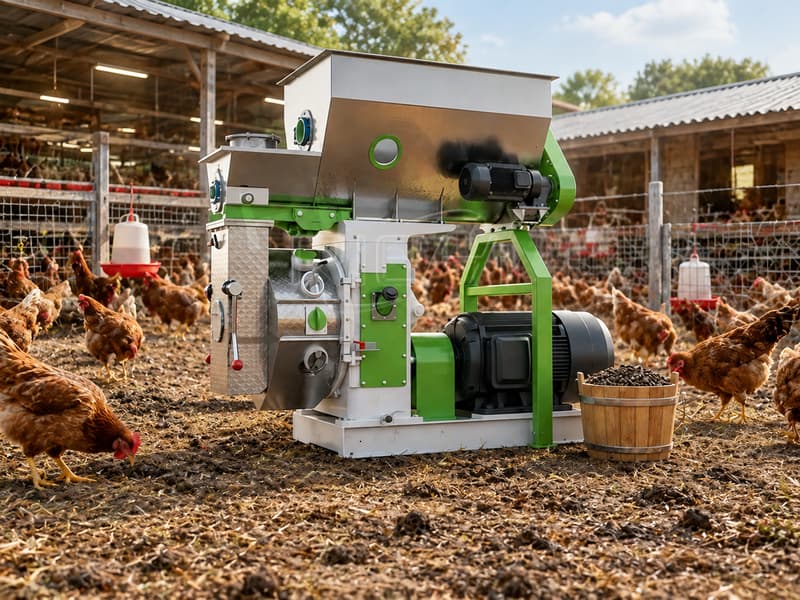



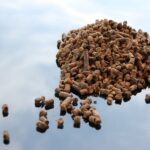
Chicken manure is an abundant organic waste material from poultry farms. Instead of being handled only as loose waste, it can be processed into pelletized fertilizer for easier storage, transportation, and agricultural application.
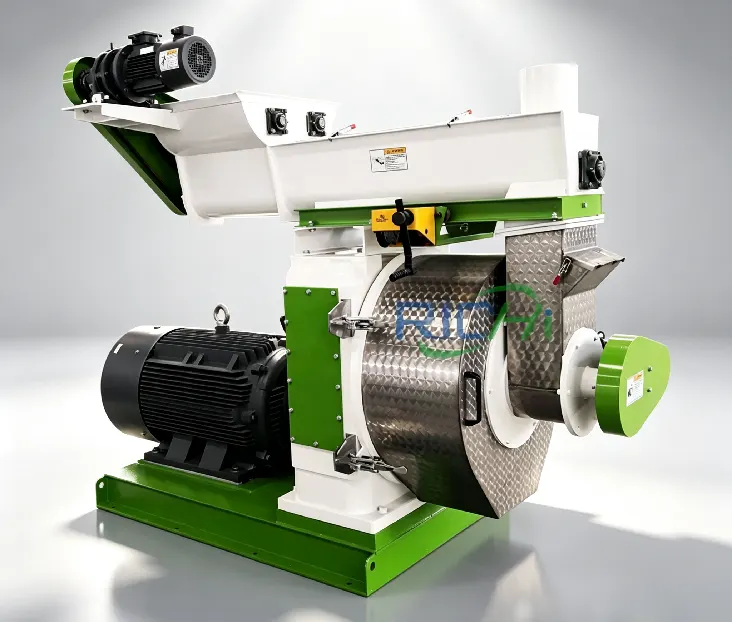
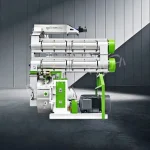
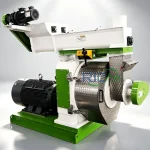
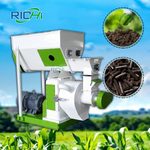
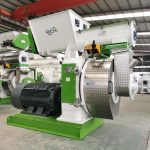
The chicken manure pellet machine for organic fertilizer is used in the forming stage, but producing a consistent fertilizer pellet normally requires several preparation and post-processing steps.
Why Pelletize Chicken Manure?
Fresh chicken manure is difficult to handle because of its high moisture content, irregular form, and strong odor.
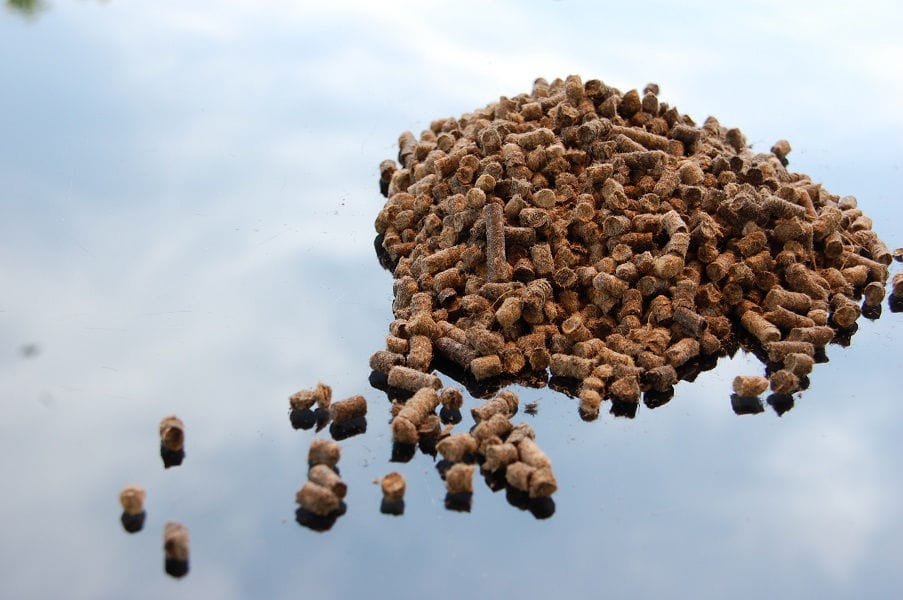
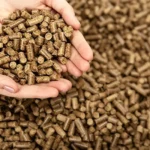
Pelletizing changes the loose material into compact particles with a more consistent size and shape.
The finished pellets can be easier to package, transport, and distribute with mechanical fertilizer application equipment.
The actual nutrient content depends on the original manure, storage conditions, and any additional materials included in the formulation.
Raw Material Preparation
The first step is to inspect and prepare the manure.
Fresh poultry manure can contain bedding, feathers, feed residues, and other foreign materials. Depending on the collection system, screening or cleaning may be necessary before further processing.
The manure should also be tested for moisture content.
This is important because moisture determines whether the material can move smoothly through the preparation and pelletizing stages.
Drying Process
Fresh chicken manure normally contains too much moisture for stable pellet production.
A drying system can reduce excess moisture before crushing and pelletizing. A rotary dryer is suitable for continuous processing and can be configured according to the required throughput.
The dryer size depends on several factors, including:
- Initial moisture content
- Target moisture content
- Production capacity
- Heat source
- Operating hours
If the manure has already been partially dried, the required drying capacity may be reduced.
Crushing and Mixing
After drying, the manure can be crushed to break apart compacted material and improve particle consistency.
If the final fertilizer contains other organic materials, a mixer can combine the ingredients into a more uniform formulation.
Possible additional materials can include crop residues, composted biomass, or other suitable organic fertilizer ingredients.
The formulation should be determined according to the intended fertilizer application and applicable agricultural requirements.
Pelletizing
After preparation, the material enters the pelletizing section.
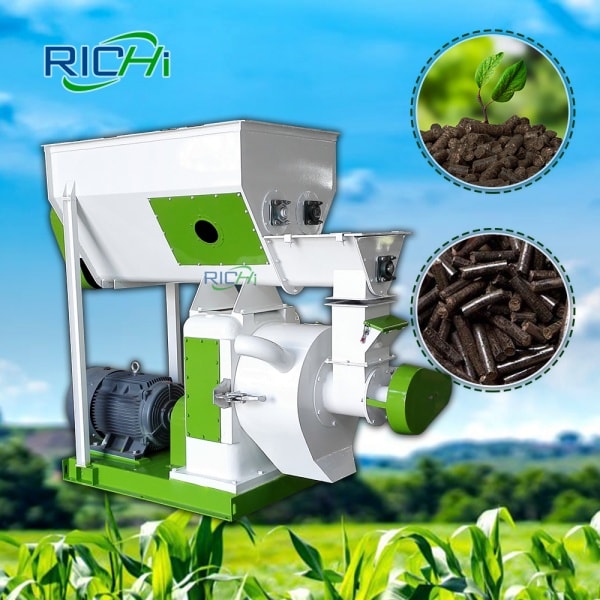
Inside the pellet mill, rollers compress the prepared mixture against a die. The material passes through the die holes and forms cylindrical fertilizer pellets.
The die determines the approximate pellet diameter.
Production performance depends on moisture, particle size, formulation, pellet diameter, and equipment configuration.
For projects using other manure materials, a 5T/H cow dung pellet making machine may use a similar basic forming principle, although the raw material preparation requirements can differ.
Cooling and Screening
Fresh fertilizer pellets can retain heat after compression.
A cooler reduces the temperature of the pellets before they enter storage or packaging.
The cooled material then passes through a screening machine. Loose fines and undersized pellets are separated from the finished product.
Suitable fines can potentially be returned to the pelletizing process, depending on the production system.
This helps improve product consistency and reduce material loss.
Typical Production Line
A chicken manure organic fertilizer pellet production system may follow this process:
Manure collection → cleaning → drying → crushing → mixing → pelletizing → cooling → screening → storage or packing
A commercial pellet machine can be integrated with the upstream and downstream equipment to create a continuous material flow.
The actual equipment configuration depends on the raw material condition, production capacity, fertilizer formulation, and level of automation required.
Storage and Packaging
Finished fertilizer pellets should be protected from excessive moisture during storage.
For bulk agricultural use, storage bins or silos can be used. If the product is sold in smaller quantities, weighing and packing equipment can be added.
The packaging method should be considered during the plant design because it affects the required conveying and storage equipment.
Capacity Planning
Production capacity should be based on the amount of chicken manure available.
A small poultry farm may only need a small fertilizer production system, while a large commercial poultry operation can generate enough manure for continuous processing.
The dryer, crusher, mixer, pellet mill, cooler, and screening machine should all have compatible capacities.
An undersized preparation section can become a bottleneck even when the pellet mill itself has sufficient capacity.
What to Prepare Before Equipment Selection
Before purchasing equipment, project owners should provide:
- Daily manure availability
- Initial moisture content
- Desired fertilizer formulation
- Target pellet diameter
- Production capacity
- Existing equipment
- Available heat source
- Electricity conditions
- Storage requirements
- Packaging method
This information helps determine the appropriate equipment configuration.
Chicken manure pellet production can provide a practical way to convert poultry waste into a more manageable organic fertilizer product. However, stable production depends on proper drying, preparation, formulation, pelletizing, cooling, and screening.
For more information about organic fertilizer processing equipment and production solutions, read more.
Related Post: https://pelletizerequipment.com/sawdust-pellet-machine-for-sale/