
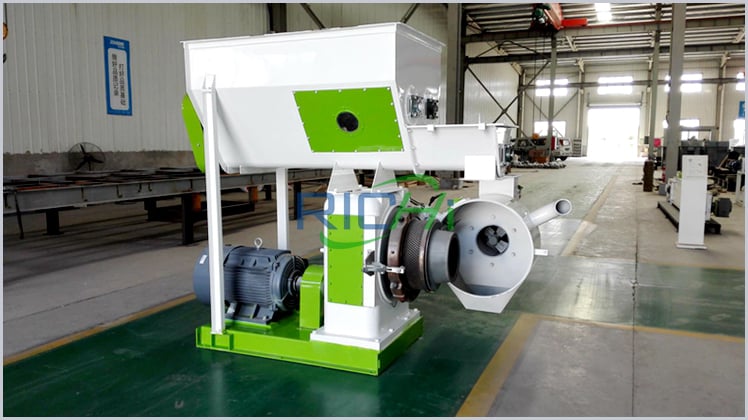
Introduction: The Central Role of the Pellet Making Machine
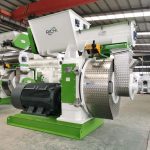
In any biomass fuel or feed pellet operation, the pellet making machine is the heart of the production process. Every upstream activity — drying, grinding, conditioning — exists to prepare feedstock for the pellet press, and every downstream activity — cooling, screening, packaging — exists to handle the product that emerges from it.
Selecting the right pellet making machine is therefore one of the most consequential decisions a plant operator will make. The wrong choice can result in substandard pellet quality, excessive energy consumption, high maintenance costs, and insufficient throughput to meet market commitments.
Types of Pellet Making Machines and Their Applications
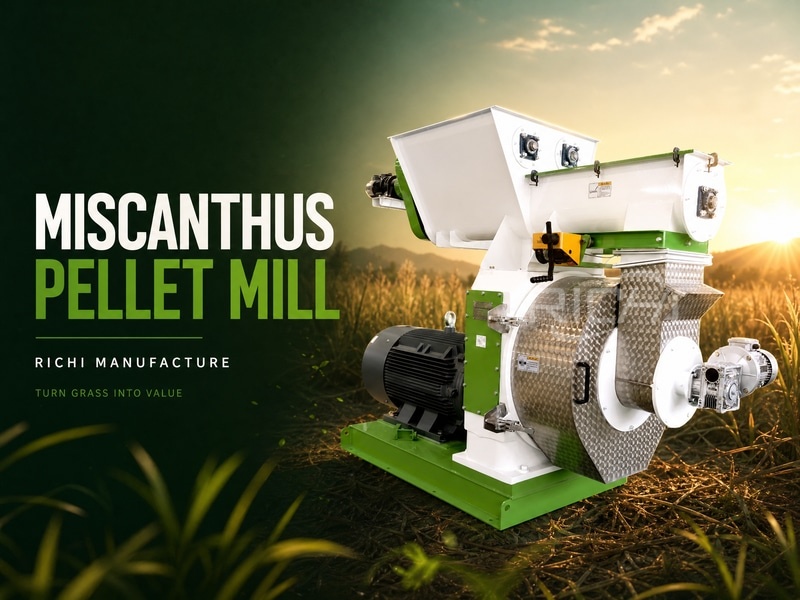
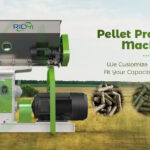
Pellet making machines fall into two broad categories: flat die and ring die. Flat die machines are suited to small-scale operations (up to roughly 800 kg/h) and are valued for their simplicity and low initial cost. Ring die machines dominate industrial biomass pellet line applications, offering higher throughputs, better pellet uniformity, and greater energy efficiency per tonne of output.
Within the ring die category, variations exist in die diameter, number of rollers, drive configuration (gearbox vs. direct drive), and control system sophistication. Each design variation has implications for maintenance requirements, spare parts cost, and suitability for different feedstocks.
Designing a Robust Biomass Pellet Line
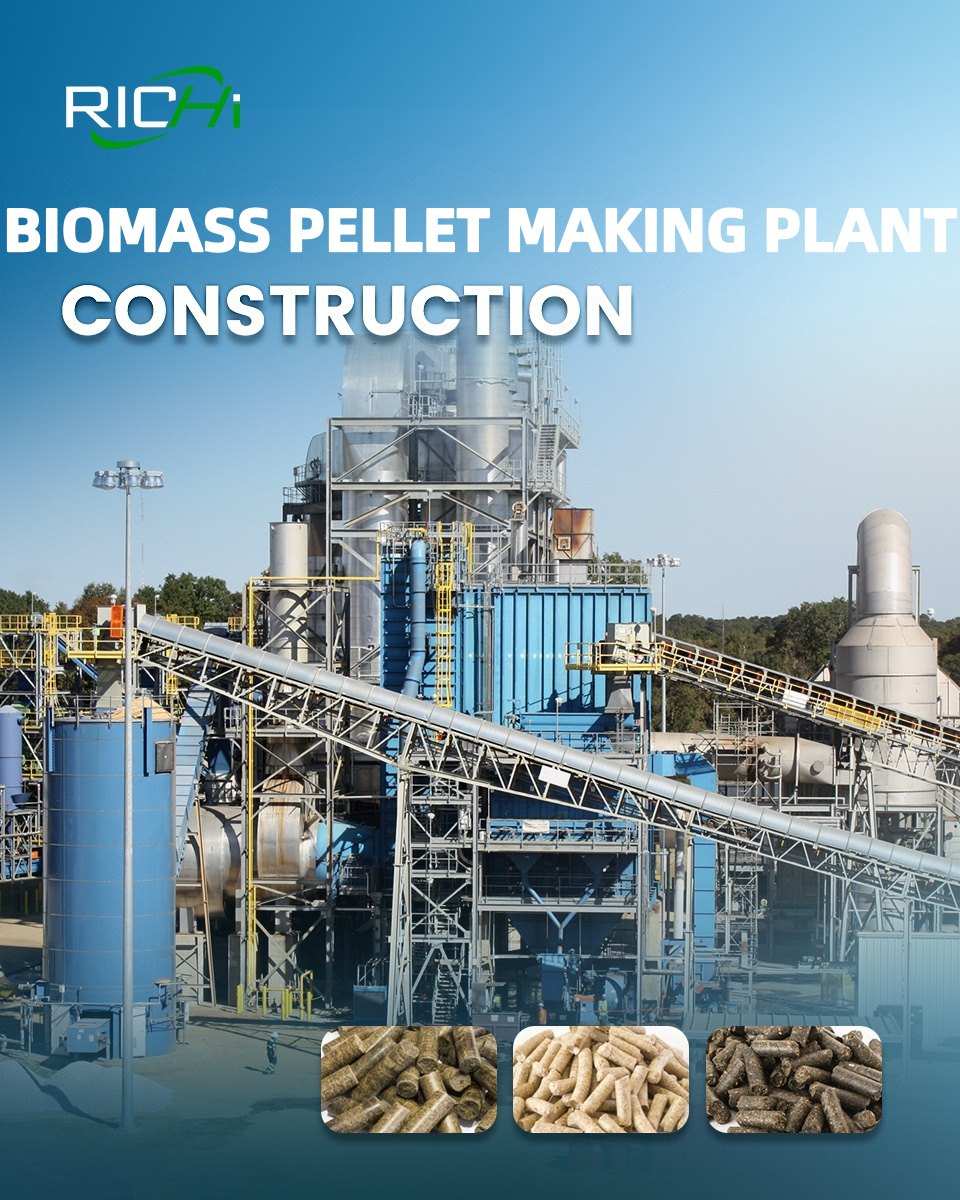
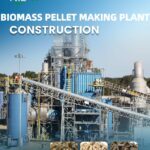
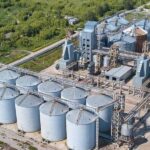
A productive biomass pellet line is more than just a pellet press. It is an integrated system where each piece of equipment is matched to the others in terms of throughput capacity, power requirements, and control interface. A poorly balanced line — where one machine is under- or over-sized relative to its neighbours — creates bottlenecks that limit overall output and increase operating costs.
The design process should begin with a mass and energy balance calculation for the entire line, taking into account feedstock moisture and particle size at each stage. This analysis informs equipment selection, building layout, and utility requirements (electricity, compressed air, heating fuel).
Choosing a Pellet Maker Machine: Performance Criteria
When shortlisting a pellet maker machine for your biomass pellet line, evaluate performance criteria including pellet bulk density (target: >600 kg/m³ for most fuels), pellet durability index (>97.5% per ISO 17225), and specific energy consumption (kWh per tonne of pellets produced).
Manufacturer-provided data should be supported by independent test results from recognized laboratories. Reliable suppliers will readily provide this documentation along with reference plant contact details so prospective buyers can verify performance claims under real operating conditions.
Click to Read: Essential Guidance for Buyers
Before finalizing any purchase agreement, click to read the full technical specification, warranty terms, and service agreement for any pellet making machine you are considering. Pay close attention to warranty exclusions, required maintenance intervals, and what is included in the after-sales support package.
A well-chosen pellet maker machine backed by strong after-sales support and integrated into a properly designed biomass pellet line is the foundation of a profitable, long-running biomass fuel business.
https://www.richimanufacture.com/biomass-pellet-making-machine/