




Across the United Kingdom, industries are placing greater emphasis on resource efficiency, sustainable manufacturing, and renewable energy solutions. As environmental regulations become stricter and energy costs remain a concern, many companies are searching for practical ways to create additional value from existing resources. One of the most successful approaches has been the conversion of wood residues into biomass fuel pellets.
Materials that were once considered low-value by-products can now become profitable commercial products. Sawmills, furniture factories, forestry contractors, pallet recyclers, and timber processors are increasingly recognizing the economic potential of pellet production. Instead of paying for waste disposal, businesses can transform residual biomass into a renewable fuel that serves domestic, commercial, and industrial markets.
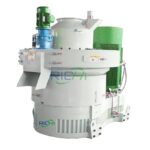
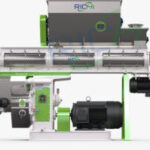
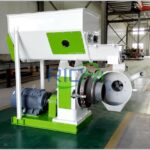
When evaluating potential equipment investments, many companies begin by researching a reliable wood pellet making machine for sale uk capable of delivering consistent pellet quality and long-term operational stability.
Why Biomass Pellets Remain in High Demand
Biomass pellets offer a unique combination of environmental and economic advantages. Their compact structure makes them easier to transport and store than loose biomass materials, while their uniform size allows for efficient combustion.
Today, pellets are commonly used in:
- Residential heating systems
- Commercial buildings
- Industrial boilers
- Agricultural facilities
- District heating networks
- Energy generation projects
Unlike raw wood waste, pellets provide predictable performance. Their standardized format improves handling efficiency and reduces storage requirements, making them attractive to fuel distributors and end users alike.
As governments and businesses continue seeking lower-carbon energy alternatives, pellet demand is expected to remain strong in many markets.
Understanding the Value Chain of Pellet Production
Successful pellet manufacturing begins long before material enters the pellet mill.
The value chain generally includes:
Feedstock Acquisition
Reliable access to biomass resources is essential. Common feedstocks include:
- Sawdust
- Wood chips
- Wood shavings
- Forestry residues
- Recycled wood materials
Material Preparation
Raw materials must be processed into suitable particle sizes before pelletizing.
Moisture Control
Proper moisture management is critical. Excess moisture can reduce pellet durability and increase production costs.
Pellet Formation
Prepared biomass is compressed under high pressure to form dense fuel pellets.
Cooling and Packaging
Finished pellets are cooled, screened, and prepared for storage or distribution.
Every stage contributes to the final product’s quality and commercial value.
The Growing Importance of Resource Efficiency
Many industries are under increasing pressure to improve sustainability while maintaining profitability.
Pellet manufacturing supports both objectives by allowing companies to:
- Reduce waste volumes
- Generate additional revenue
- Improve resource utilization
- Support renewable energy initiatives
- Strengthen environmental credentials
This combination of economic and environmental benefits explains why pellet projects continue attracting investment across the UK.
How Modern Equipment Improves Productivity
Technology has dramatically improved pellet production over the last decade.
Today’s systems offer:
Automated Feeding
Consistent material flow improves production stability.
Intelligent Control Systems
Operators can monitor key production parameters in real time.
Improved Mechanical Design
Modern components reduce wear and extend equipment lifespan.
Higher Energy Efficiency
Advanced drive systems help lower operating costs.
These innovations enable producers to achieve greater output while maintaining product consistency.
For companies processing timber industry by-products, a specialized peanut shell pellet mill may seem unrelated at first glance, but the engineering principles behind biomass pelletization are often similar across different raw material categories. Understanding these technologies helps investors evaluate broader pellet production opportunities.
Why Product Quality Determines Market Success
In competitive markets, pellet quality often becomes the deciding factor for customers.
Key quality indicators include:
- Pellet density
- Moisture content
- Durability
- Ash levels
- Combustion performance
- Uniform dimensions
Consistent quality builds customer confidence and supports long-term commercial relationships.
Manufacturers that invest in quality control systems often experience stronger customer retention and improved profitability.
Market Opportunities for Pellet Producers
The pellet industry serves a wide range of customers.
Residential Consumers
Homeowners using pellet stoves require reliable fuel supplies.
Commercial Users
Businesses often seek cost-effective heating solutions.
Agricultural Operations
Farm facilities frequently utilize biomass fuel for heating and drying applications.
Industrial Facilities
Large-scale energy consumers increasingly explore renewable fuel alternatives.
Diversification across multiple customer segments can help producers reduce market risks and maintain stable sales volumes.
Factors Influencing Equipment Selection
Purchasing pellet production equipment represents a major investment. Buyers should evaluate several factors before making a decision.
Production Capacity
The equipment should align with realistic production targets.
Feedstock Compatibility
Different materials require different processing configurations.
Energy Consumption
Efficient equipment helps reduce long-term operating costs.
Maintenance Requirements
Easy access to replacement parts and technical support improves reliability.
Future Expansion Potential
Many successful facilities expand capacity over time.
Careful planning helps ensure that equipment continues meeting operational requirements as the business grows.
The Role of Automation in Modern Plants
Automation is becoming increasingly important throughout the pellet industry.
Automated systems can manage:
- Material conveying
- Feeding rates
- Cooling operations
- Product screening
- Packaging activities
Benefits include:
- Reduced labour requirements
- Improved consistency
- Better production tracking
- Lower risk of operator error
A well-designed Richi Pellet Mill installation often integrates multiple automation features to improve efficiency and support continuous operation.
Sustainability Is Driving Long-Term Growth
Environmental concerns continue shaping energy markets worldwide.
Pellet manufacturing contributes to sustainability goals by:
Utilizing Renewable Resources
Biomass feedstocks can be replenished through ongoing forestry and agricultural activities.
Supporting Circular Economy Models
Materials that might otherwise be discarded become useful commercial products.
Reducing Dependence on Fossil Fuels
Pellets provide an alternative energy source for heating and industrial applications.
Encouraging Better Waste Management
Businesses can generate value from materials that previously represented disposal challenges.
These advantages are expected to support industry growth for many years.
Common Challenges and Effective Solutions
Despite strong market potential, producers must address several operational challenges.
Raw Material Variability
Different biomass sources may require process adjustments.
Equipment Wear
Biomass materials can be abrasive, making preventive maintenance important.
Logistics Management
Efficient storage and transportation systems help reduce costs.
Market Fluctuations
Diversifying customer segments can improve business resilience.
Companies that proactively manage these issues often achieve stronger long-term performance.
Future Developments in Pellet Manufacturing
Several trends are expected to influence the industry’s future.
Increased Automation
Smart manufacturing technologies will continue expanding.
Advanced Monitoring Systems
Data-driven decision-making is becoming more common.
New Feedstock Opportunities
Producers are exploring alternative biomass resources.
Enhanced Efficiency Standards
Customers increasingly expect higher product quality and lower environmental impact.
Businesses that embrace innovation will likely maintain competitive advantages as markets evolve.
Why Strategic Planning Matters
The most successful pellet projects are built on comprehensive planning rather than equipment purchases alone.
Key considerations include:
- Feedstock security
- Market demand
- Financial analysis
- Facility layout
- Workforce requirements
- Expansion strategies
Investors who approach projects strategically are generally better positioned to achieve sustainable growth and profitability.
Many organizations evaluating biomass opportunities eventually compare various pellet press technologies before selecting the most suitable solution for their specific production requirements.
Conclusion
Wood residue processing continues transforming from a waste-management activity into a profitable renewable energy business. Through effective utilization of biomass resources, companies can create valuable products while supporting sustainability objectives and improving operational efficiency.
As demand for renewable energy solutions grows throughout Britain, pellet production is expected to remain an attractive opportunity for both established businesses and new investors. Success depends on thoughtful planning, reliable equipment, strong quality control, and a clear understanding of market requirements.
For readers seeking additional industry perspectives, technical discussions, and project examples, this detailed explanation provides a useful starting point for understanding the evolving world of pellet manufacturing and biomass energy production.
If you’re interested, you can view it directly.
Related Post: https://pelletizerequipment.com/hemp-pellet-machine/