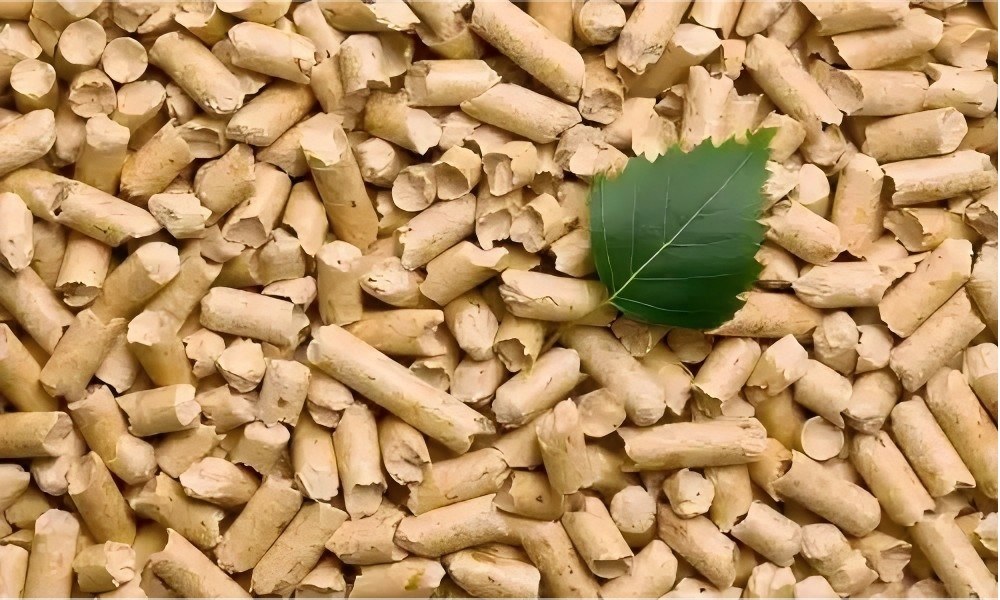

The global energy system is undergoing a structural transformation. Traditional fossil fuel-based industries are being replaced by renewable, decentralized, and more environmentally adaptive systems. Among these emerging sectors, biomass pellet production stands out as one of the most commercially viable and technically scalable solutions.
Unlike solar or wind energy, biomass offers a unique advantage: it converts existing waste streams into usable fuel while simultaneously solving environmental disposal problems.
However, the success of a biomass plant depends heavily on engineering efficiency rather than raw material availability.
Industrial Biomass Is Becoming a Process Engineering Industry
Modern biomass plants are no longer simple mechanical workshops. They are process engineering systems combining:
- Material science
- Thermodynamics
- Mechanical engineering
- Automation control
- Energy optimization
At the center of these systems is pelletization technology, where raw biomass is transformed into standardized fuel.
This transformation requires consistent pressure, stable temperature control, and optimized compression geometry.
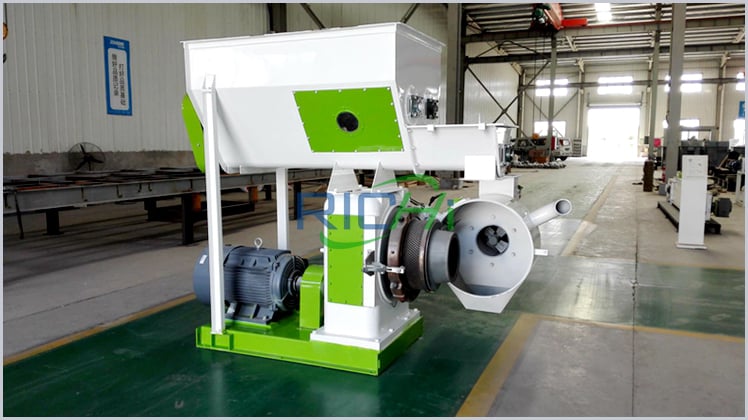
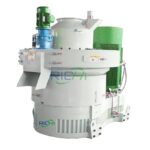
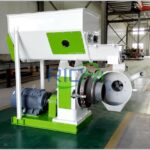
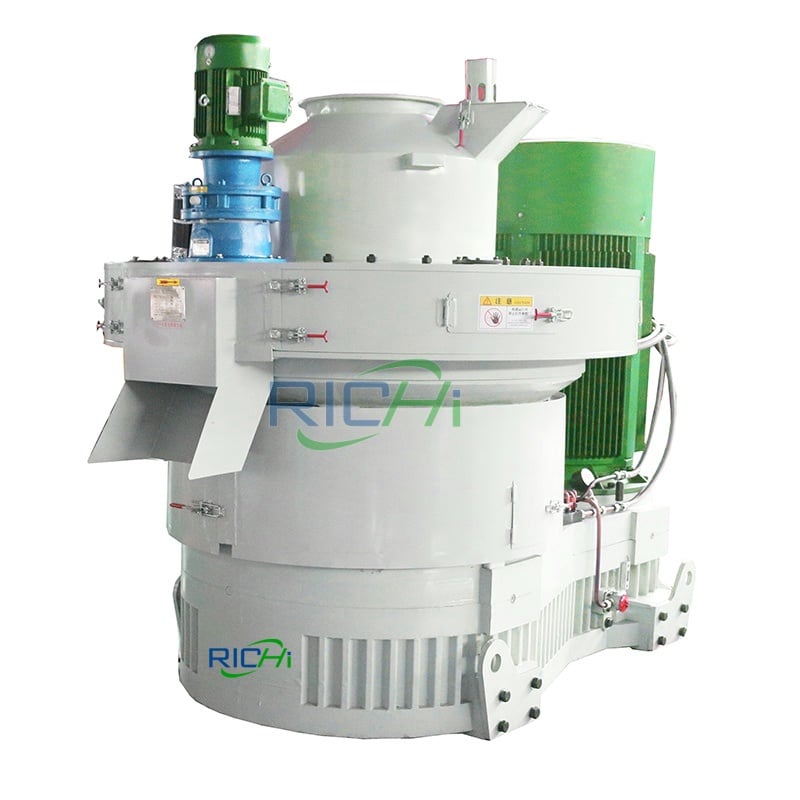
This is where systems such as the Industrial Vertical Pellet Machine play a crucial role in ensuring stable industrial-scale production.
Why Stability Is the Core of Industrial Pellet Production
In biomass engineering, instability is more expensive than low efficiency.
Unstable systems create:
- Production interruptions
- High maintenance costs
- Quality inconsistency
- Energy waste
Stable systems, however, allow continuous operation and predictable output.
This is why engineers carefully design production flow before selecting equipment.
A stable plant must ensure that every ton of biomass follows a predictable transformation path.
Capacity Planning and Industrial Risk Management
One of the most overlooked aspects of biomass investment is production capacity design.
For example:
A 2 tph vertical wood pellet machine is widely used in mid-scale production facilities because it balances:
- Investment cost
- Operational flexibility
- Market adaptability
This scale is often ideal for regional biomass suppliers serving heating markets or industrial boilers.
However, scaling too quickly without market validation leads to financial risk.
High-Capacity Industrial Systems and Export Markets
As biomass markets mature, demand shifts toward large-scale industrial systems.
Facilities supplying export markets or power plants require continuous high-volume output.
In such cases, a high capacity vertical wood pellet machine becomes essential.
These systems are designed for:
- Continuous 24/7 operation
- Stable high-pressure compression
- Large-scale feedstock processing
Equipment Investment as a Strategic Decision
In modern biomass industries, equipment selection is no longer a technical purchase—it is a financial strategy.
Operators often analyze:
- Lifecycle cost
- Energy consumption
- Maintenance intervals
- Spare part availability
- Production efficiency
This is why many investors evaluate pellet press systems before making final investment decisions.
The goal is not just production—but long-term profitability.
Integrated Engineering and Manufacturing Systems
Modern biomass plants rely heavily on integrated system design.
A full production line typically includes:
- Crushing systems
- Drying units
- Pelletizing machines
- Cooling systems
- Screening units
- Packaging systems
Each stage is interconnected.
Companies like Richi manufacture specialize in designing these integrated systems to ensure operational consistency across all production stages.
Market Intelligence and Industry Research
Successful biomass operators continuously study market trends and technical updates.
Platforms like go to website provide valuable insights into:
- Equipment performance comparisons
- Operational case studies
- Industry benchmarks
This knowledge helps reduce investment risk and improve operational planning.
Conclusion
Biomass energy is evolving into a fully industrialized engineering system. Efficiency, stability, and integration define success more than raw capacity.
Related Post:https://pelletizerequipment.com/biomass-pellet-machine/