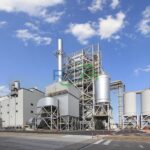

Malaysia is one of the world’s largest palm oil producers, generating millions of tons of empty fruit bunches (EFB) every year. Traditionally considered agricultural waste, EFB is now gaining recognition as a valuable biomass resource. With growing demand for renewable energy and solid biofuels, the efb pellet plant in Malaysia has become a strategic investment for both local processors and international biomass suppliers.
Abundant EFB Resources Drive Pellet Industry Growth
The palm oil industry produces EFB continuously throughout the year, ensuring a stable and low-cost raw material supply. Compared with wood residues, EFB offers clear advantages in tropical regions like Malaysia. It does not rely on deforestation, aligns with sustainability policies, and helps palm mills reduce disposal pressure.
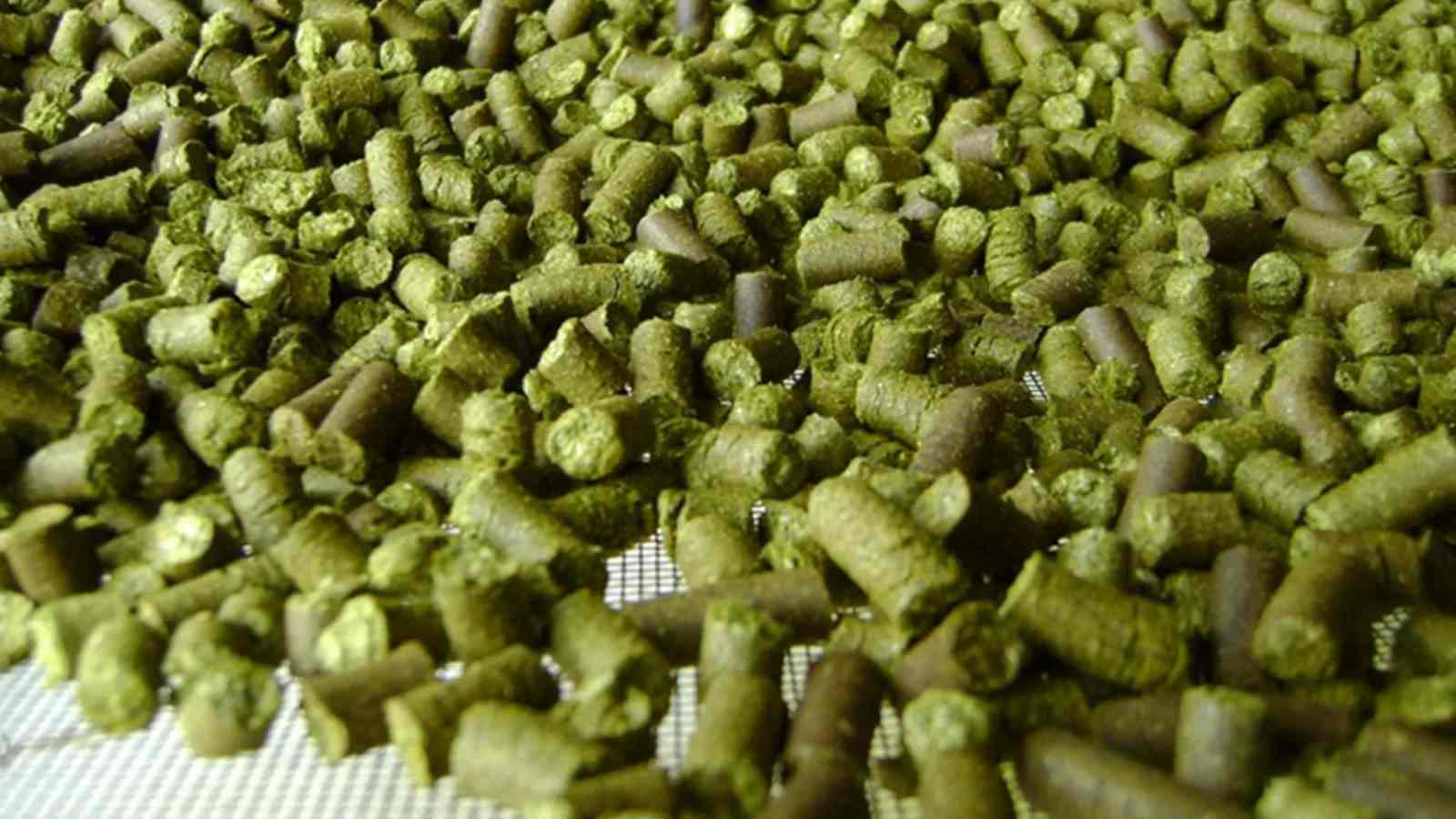
More investors are realizing that converting EFB into biomass pellets can significantly increase the economic value of palm waste. Pellets are easier to store, transport, and export, especially to markets such as Japan, South Korea, and Europe, where industrial biomass fuel demand continues to rise.
(Related Post: https://biomasspelletizer.com/efb-pellet-plant-in-malaysia/)
Why Build an EFB Pellet Plant in Malaysia
Malaysia’s favorable climate, established palm oil infrastructure, and supportive renewable energy policies make it an ideal location for EFB pellet production. An EFB pellet plant allows palm oil mills and independent operators to transform waste into a standardized fuel with stable calorific value.

In addition, pelletizing EFB reduces moisture content and increases bulk density, making long-distance shipping economically feasible. As one industry consultant once noted, he has a good point—the future of biomass in Southeast Asia lies in localized waste utilization combined with global energy demand.
Key Challenges in EFB Pellet Production
Despite its potential, EFB pellet production comes with technical challenges. Raw EFB typically has high moisture content, high fiber toughness, and variable composition. Without proper preprocessing, pellet quality and machine lifespan can be negatively affected.
That is why more investors are choosing a complete efb pellet plant solution rather than purchasing individual machines. A well-designed system ensures smooth material flow, consistent pellet quality, and lower operating costs over the long term.
Core Process of an EFB Pellet Plant
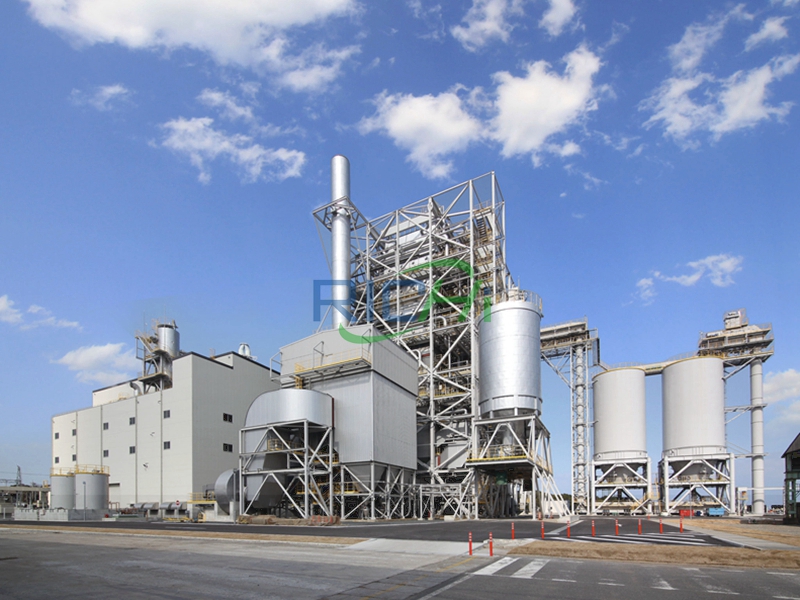
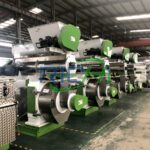
A standard EFB pellet production line in Malaysia usually includes shredding, drying, grinding, pelletizing, cooling, and packing. Each step must be adapted to the characteristics of EFB fiber.
Drying is especially critical, as EFB often enters the line with moisture levels above 50%. Efficient drying systems help stabilize pellet density and improve combustion performance. After pelletizing, cooling and screening ensure uniform pellet size, meeting export market standards.
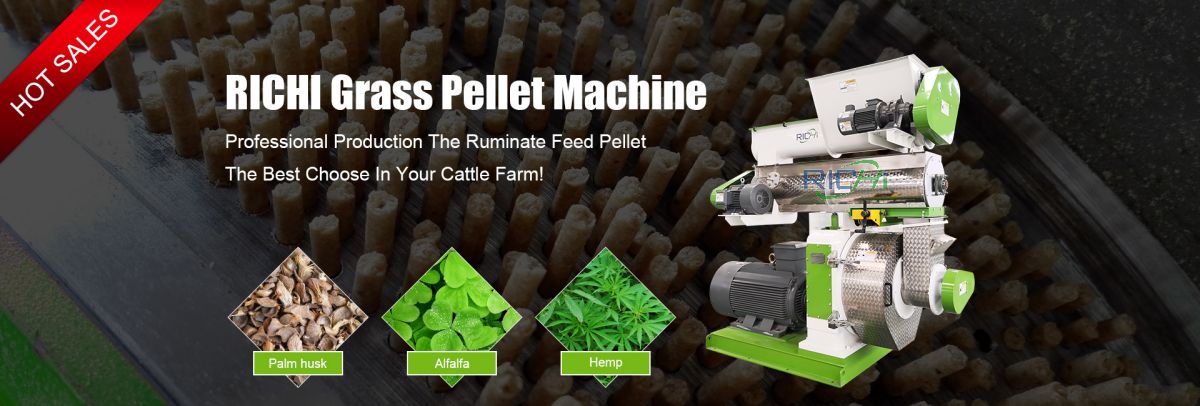
For investors looking for scalability, a modular pellet line for sale can be designed to start with a small capacity and expand as market demand grows.
Market Applications of EFB Pellets
EFB pellets are widely used as industrial boiler fuel, co-firing material in power plants, and alternative energy sources for cement factories. In some regions, they are also applied in combined heat and power (CHP) systems.
Compared to raw biomass, pellets offer higher efficiency and cleaner combustion. This makes EFB pellets particularly attractive to overseas buyers seeking stable and traceable biomass fuel from Southeast Asia.
Economic and Environmental Benefits
From an economic perspective, EFB pellet plants create additional revenue streams for palm oil mills while reducing waste handling costs. Environmentally, pelletizing EFB helps lower open dumping and greenhouse gas emissions caused by natural decomposition.
Malaysia’s commitment to sustainable development further supports the long-term viability of EFB pellet projects. Investors who enter the market early can benefit from both policy incentives and growing international demand.
Choosing the Right Equipment Partner
Selecting the right equipment supplier is essential for long-term success. Beyond machine performance, investors should evaluate system design experience, adaptability to EFB raw materials, and after-sales technical support.
A reliable supplier will not only offer machines but also process optimization guidance based on real operating conditions in Malaysia. This holistic approach ensures stable output, reduced downtime, and predictable operating costs.
Future Outlook of EFB Pellet Plants in Malaysia
As global energy markets shift toward low-carbon solutions, biomass pellets will continue to play a crucial role. With its abundant raw materials and export advantages, Malaysia is positioned to become a key EFB pellet supply hub in Asia.
For palm oil producers and energy investors alike, establishing an EFB pellet plant is not just a waste management solution—it is a forward-looking energy investment with long-term returns.