
Introduction
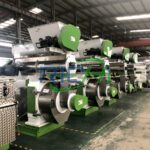
A pellet cattle feed machine is a specialized mechanical device designed to compress and shape powdered or mixed feed materials into uniform pellets for cattle feeding. These machines play a critical role in modern livestock production systems by improving feed efficiency, enhancing nutritional consistency, and simplifying feed storage and transportation. As global demand for beef and dairy products increases, pelletized feed has become an essential component of sustainable and large-scale cattle farming.
Pellet machines are widely used in commercial feed mills, integrated livestock farms, and regional feed processing centers. They are suitable for processing a wide range of raw materials, including grains, oilseed meals, forage meals, and nutritional additives. By converting loose feed into dense pellets, cattle feed pellet machines help farmers reduce feed waste, improve animal intake, and achieve more predictable growth performance.
Historical Development of Cattle Feed Pelleting
The concept of pelleted animal feed emerged in the early 20th century, alongside the industrialization of agriculture. Initially, livestock feed was provided in mash or loose form, which often led to selective feeding and inconsistent nutrient intake. With the development of mechanical pelleting technology, feed manufacturers began producing uniform feed pellets that ensured balanced nutrition in every bite.
Over time, advances in metallurgy, motor systems, and automation allowed pellet machines to handle tougher fibrous materials commonly used in cattle feed, such as alfalfa meal, grass meal, and crop residues. Modern cattle feed pellet machines now feature high-torque drives, precision die designs, and automated control systems, enabling efficient production at both small and industrial scales.
Basic Structure and Main Components
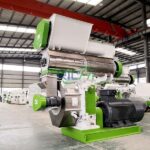
A typical cattle feed pellet machine consists of several core components that work together to form durable feed pellets:
Feeding system: Controls the flow rate of raw materials into the pelleting chamber.
Conditioning unit: Uses moisture and heat (often via steam) to soften feed materials before pelleting.
Pelletizing chamber: Houses the ring die or flat die and rollers that compress feed into pellets.
Drive system: Includes motors, gearboxes, and couplings that provide the required torque.
Discharge and cutting system: Shapes pellets to the desired length and releases them from the die.
These components are designed to withstand continuous operation and high pressure, which are necessary to process cattle feed formulations containing fibrous ingredients.
Working Principle
The working principle of a cattle feed pellet machine is based on mechanical extrusion and compression. Raw feed materials are first evenly fed into the machine. In systems equipped with conditioners, the materials are mixed with steam or water to improve plasticity and binding properties.
Inside the pelletizing chamber, rollers press the conditioned feed against a rotating die. As pressure builds, the feed is forced through die holes, forming dense cylindrical pellets. Knives installed outside the die cut the pellets to a uniform length. The finished pellets are then cooled and hardened before packaging or storage.
Common Raw Materials Used in Cattle Feed Pellets
Cattle feed pellet machines are designed to process a wide variety of raw materials, including:
Cereal grains such as corn, barley, wheat, and sorghum
Protein meals like soybean meal, cottonseed meal, and rapeseed meal
Forage materials including alfalfa meal, grass meal, and hay powder
By-products such as wheat bran, rice bran, and distillers dried grains
Minerals and additives for balanced nutrition
This flexibility allows feed producers to adapt formulations based on local ingredient availability and cattle nutritional requirements. https://richipelletizer.com/pellet-machine-for-cattle-feed/
Types of Cattle Feed Pellet Machines
Cattle feed pellet machines are commonly classified based on their die structure and production capacity:
Flat Die Pellet Machines
Flat die machines are typically used in small-scale farms and workshops. They are compact, relatively easy to operate, and suitable for on-site feed production.
Ring Die Pellet Machines
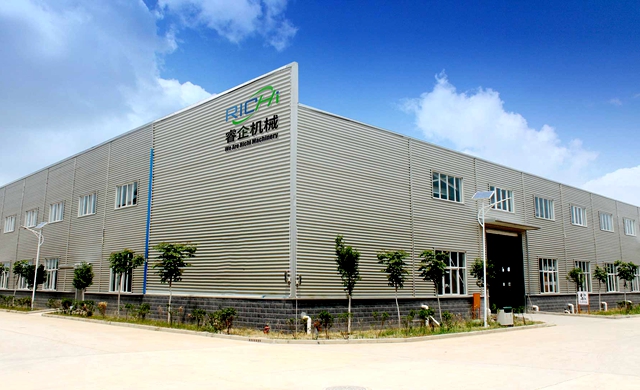
Ring die machines are widely used in commercial feed mills. They offer higher output, better pellet quality, and longer service life. Industrial manufacturers such as RICHI have developed ring die pellet machines specifically optimized for cattle feed formulations.
Applications in the Livestock Industry
Cattle feed pellet machines are used across various segments of the livestock industry, including:
Beef cattle feed production
Dairy cattle nutrition programs
Calf starter feed manufacturing
Integrated feedlot operations
Regional and national feed mills
Pelletized feed supports consistent feeding strategies and enables better control over animal growth, milk yield, and feed conversion ratios.
Advantages of Pelletized Cattle Feed
The use of cattle feed pellet machines offers several notable advantages:
Improved feed efficiency: Reduced dust and feed loss
Balanced nutrition: Uniform distribution of nutrients
Enhanced palatability: Pellets are easier for cattle to consume
Convenient storage and transport: Higher bulk density than mash feed
Better hygiene: High-temperature processing reduces pathogens
These benefits make pelletized feed a preferred choice in modern cattle farming systems.
Automation and Technological Advancements
Modern cattle feed pellet machines increasingly incorporate automation and digital control systems. Features such as automatic lubrication, overload protection, and real-time monitoring improve machine reliability and reduce labor requirements.
Advanced manufacturers, including RICHI Manufacture, integrate energy-efficient motors and optimized die designs to lower operating costs while maintaining consistent pellet quality.
Environmental and Economic Considerations
Pelletizing cattle feed contributes to sustainability by enabling the use of agricultural by-products and forage residues that might otherwise go to waste. Efficient feed utilization reduces overall resource consumption and supports environmentally responsible livestock production.
From an economic perspective, investing in a cattle feed pellet machine allows farms and feed producers to control feed quality, reduce reliance on external suppliers, and improve long-term profitability.
Maintenance and Operational Practices
Proper maintenance is essential to ensure the long service life of a cattle feed pellet machine. Routine inspection of dies, rollers, bearings, and drive components helps prevent unexpected downtime. Maintaining correct moisture levels in raw materials and following recommended operating procedures also contribute to stable production. See
Global Market and Industry Outlook
The global market for cattle feed pellet machines continues to expand, driven by rising demand for animal protein and the modernization of livestock farming. Emerging economies are investing in feed processing infrastructure, while developed regions focus on automation, efficiency, and sustainability.
Manufacturers such as RICHI play a role in supplying standardized and customized solutions to meet diverse regional requirements.
Conclusion
A cattle feed pellet machine is a vital piece of equipment in contemporary livestock nutrition systems. By converting diverse raw materials into uniform, high-quality pellets, these machines support efficient feeding, improved animal performance, and sustainable agricultural practices. As technology advances and global demand for livestock products grows, cattle feed pellet machines will remain an essential component of the feed manufacturing industry. Animal feed pellet mill in Peru